In the early 1900s, Pueblo, Colorado—often called “Little Chicago”—featured a complex hidden world of underground tunnels and speakeasies.
This subterranean culture was largely driven by Colorado’s early adoption of Prohibition in 1916, four years before the rest of the nation.
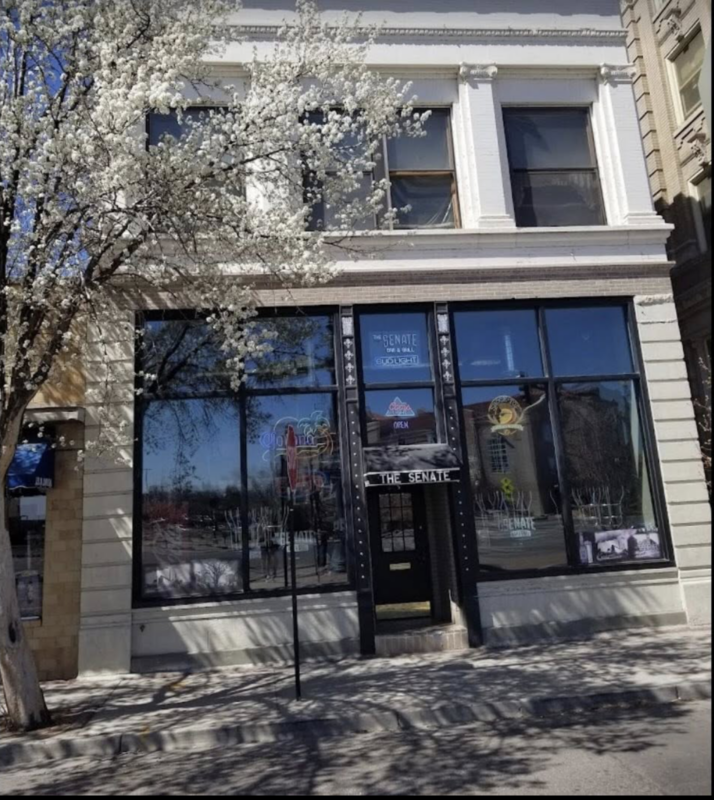
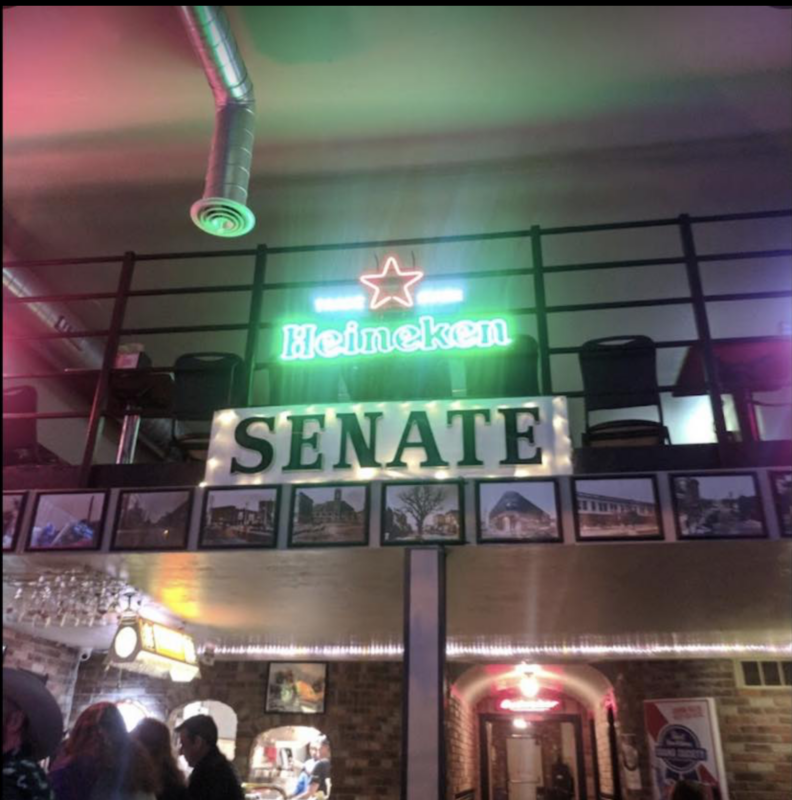
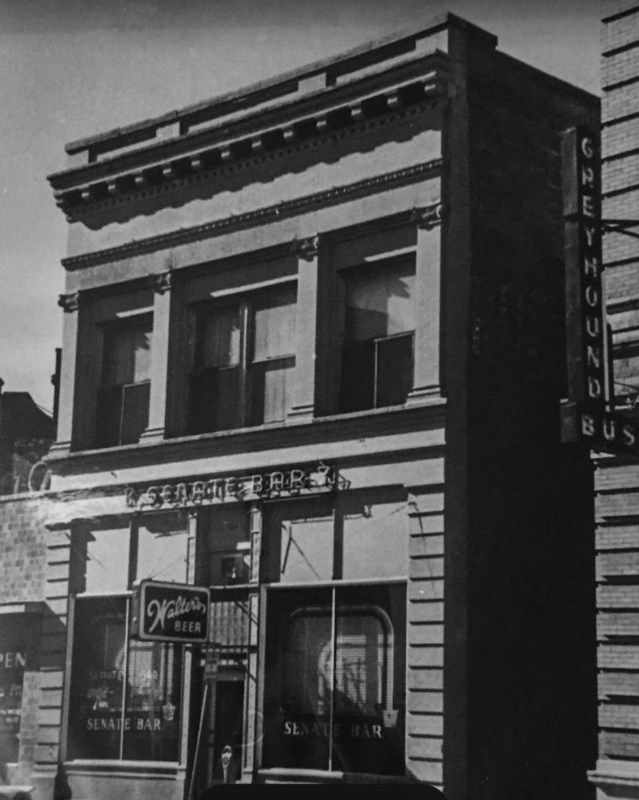
The Senate Bar & Grill
* Building Origins: The building at 219 S. Grand Ave. was originally constructed in 1904 to house the Star-Journal newspaper.
* Transformation: It officially became The Senate Bar in 1939, making it one of the city’s five oldest taverns.
* Speakeasy History: During Prohibition, the location hosted a historic speakeasy.
* Owners:
* Ken Sciacca is a current co-owner of the establishment.
* Historically, it was right across from City Hall, leading to its name because city council members frequently met there after hours to discuss policy.
* The 1921 Flood: The building survived Pueblo’s devastating 1921 flood, which saw water levels reach nine feet high inside the structure.
Underground Tunnels Historic
Tunnels in Pueblo, CO
The existing tunnels in Pueblo were built for practical or illicit historical purposes, not by modern cartels:
Prohibition & Vice: Tunnels beneath Union Avenue and near the Old Oxford Hotel were reportedly used by figures like Al Capone to move booze and visit brothels or saloons without being seen on the street.
Industrial & Institutional:
Colorado Mental Health Institute (CMHIP): This facility has an extensive tunnel system originally used for utilities, transporting food, and moving patients between buildings out of the weather.
Downtown Business Utility: Some buildings on Union Avenue still have tunnel remnants used today as storage or antique display spaces.
Destruction: Many of these tunnels were sealed or silted in during the Great Flood of 1921 or destroyed during modern streetscaping.
Pueblo Chieftain
* Purpose: Tunnels were primarily used for bootlegging, concealing movement to brothels, and moving illicit alcohol.
* Hollow Sidewalks: Many tunnels were actually “hollow sidewalks” developed in the early 1900s as storage rooms, which later became ideal for bootleggers.
* Key Locations:
* Union Avenue: A major hub for the “sex trade industry” where many buildings still have tunnel remnants used to connect respectable street-level businesses to saloons or brothels.
* Union Depot: A tunnel once connected the depot to the Arcadia Hotel via a trapdoor in the storeroom.
* Industrial Tunnels: The Colorado Fuel and Iron (CF&I) plant (now Steelworks Park) had tunnels used daily by workers.
* Legacy: Much of the network was lost or sealed after the 1921 flood, which silted in and buried many underground entrances.
* Colorado Preservation, Inc.
Notable Owners of the Era
* Gus Masciotra: Bought the building that became Gus’s Tavern in the 1920s and received Pueblo’s first liquor license after Prohibition ended in 1933.
* Andrew McClelland: Associated with the Sweeny Feed Mill, a key figure in Pueblo’s industrial development.
*** Monty Montez, owner of the senate bar , was our taxes preparation manager. When I was a kid in the 1970’s we would pay a visit to this place. My mother never drank and discouraged her children. However; my uncle after his divorce was a frequent flyer.
This article was written by Keith Guerrero and published on his Facebook page on March 18, 2026