This article and photos were posted on Mike Robinson-Johnson’s Facebook page on November 25, 2025. Thank you Mike for sharing
From flooded homesteads to mountains of coal, and now a quiet place a few call home. Rockvale was built on perseverance.
In 1860, Colonel William Horace May had decided to homestead in a lower valley outside Florence and Canon City. He would stake a land claim and begin homesteading.
By 1862, spring runoff and summer floods would force him to move his homestead downstream and higher on the banks. Colonel May would file a new land claiming 1864, and a third in 1866 and begins planning a town. He also begins work on The May Ditch in 1866 to supply water to the town and orchards.
In the process of digging the ditch and orchards multiple black veins were exposed. Coal was a known commodity in the area, and Colonel May’s land was no different, so in 1878 the May would found the Canon Coal Company, and a mine was opened up.
The newfound mineral was so abundant, and word spread so quickly, the Atchison, Topeka and Santa Fe (AT&SF) would soon build a rail spur into town. The AT&SF line would reach the mine in 1879.
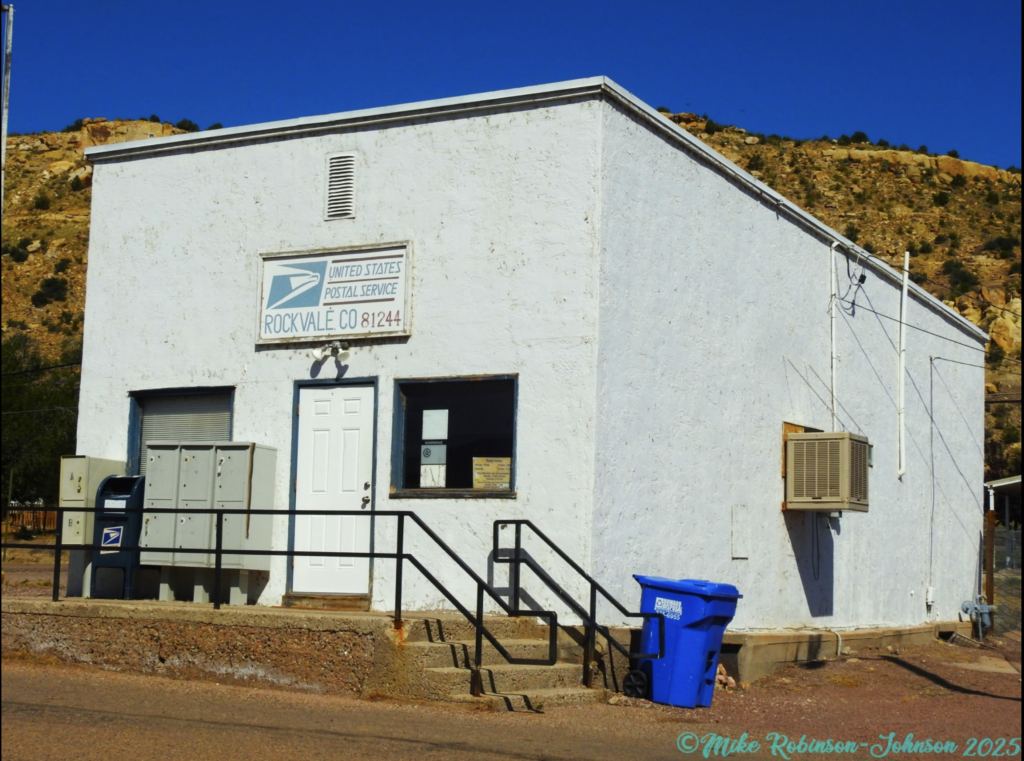
In 1880 the town would be platted out and officially named. While residents wanted to name it after his own, Captain Rockafellow would insist on calling it Rockvale instead. Rock being an homage to his name, and Vale because it was in a valley. In July 1882, May and H.D. Thatcher filed for incorporation and built the May Drug Store which also housed the post office. Colonel May would be serving as the first postmaster. In 1883 he helped found the Rockvale School. The towns incorporation would become official in 1886.
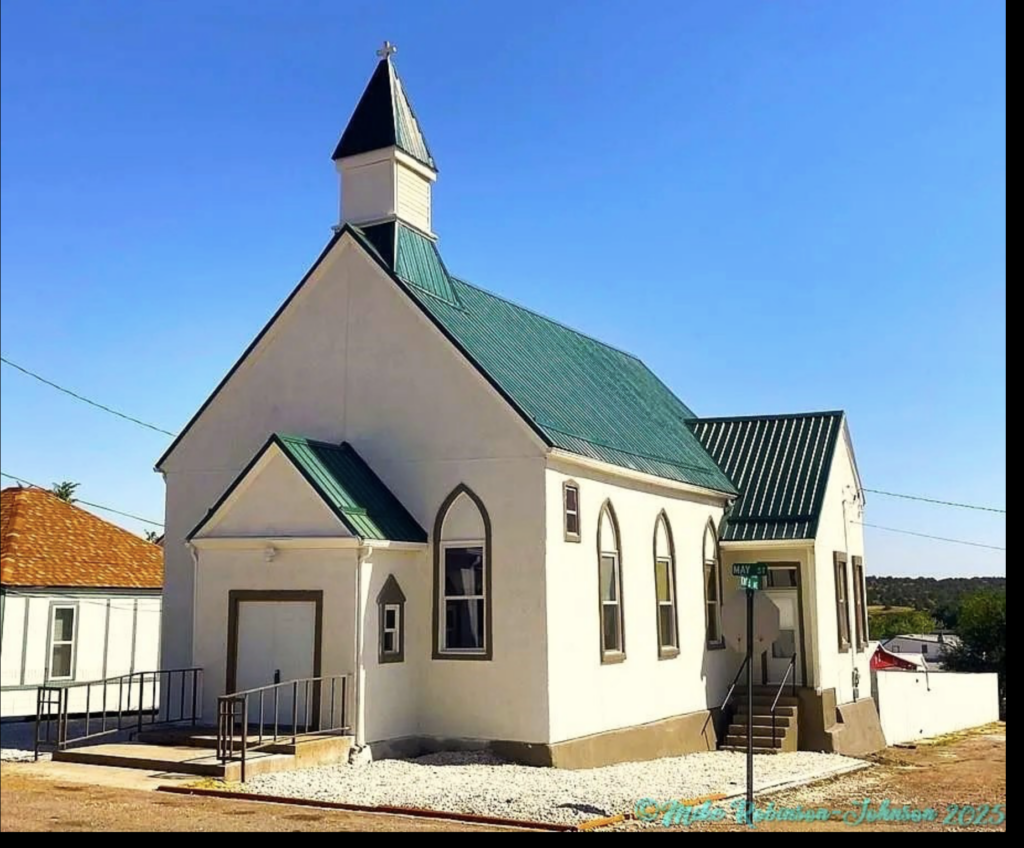
Unfortunately, just two years later, at the age of 56, Colonel May would contract Typhoid Fever, and he would not recover. He would be buried in 1888 after an 8-week battle in Greenwood Pioneer Cemetery in Canon City. That same year the first Church in town would open, the Methodist Church. In 1890 the first fire department would be organized with several hose houses built around town. 1891 brough the second church into town when the CF&I superintendent from nearby mines helped start St. Patrick’s (more can be found on the church on my page in a separate post).
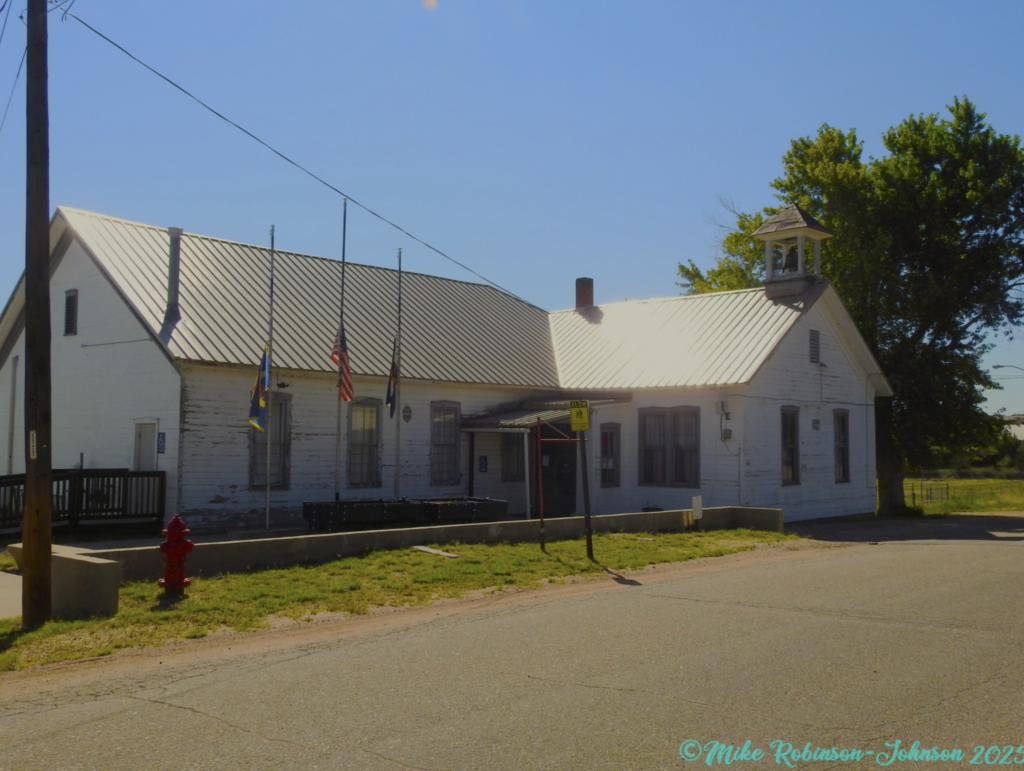
By 1893 town had grown so much a new school was required, and it was built on the hill overlooking town which soon became known as School Hill. That same year a water reservoir was built to supply to town.
In 1896 the Canon Coal Company sold the Rockvale mine to CF&I which quickly built a company store and change how the miners were paid. Instead of being paid cash, the new way was ‘Coal Script’. This form of payment was only good at the company store. If you moved to town and lived in a company supplied house, they would dock your paycheck accordingly and if you wanted REAL money, you could trade coal script for gold, at a discounted percentage.
Despite this the population soared to over 1500 people, and the mine employed 300 men shipping two full trains a day.
By 1903 nearby coal camps demanded the need for a rail extension and the AT&SF obliged, building a trestle bridge and extending the rails to Coal Creek and Radiant. Passenger service is also extended along the rail line. But it wasn’t all great, remember those poor wages? They lead to a mine strike in 1904, but the mine stayed open and producing.
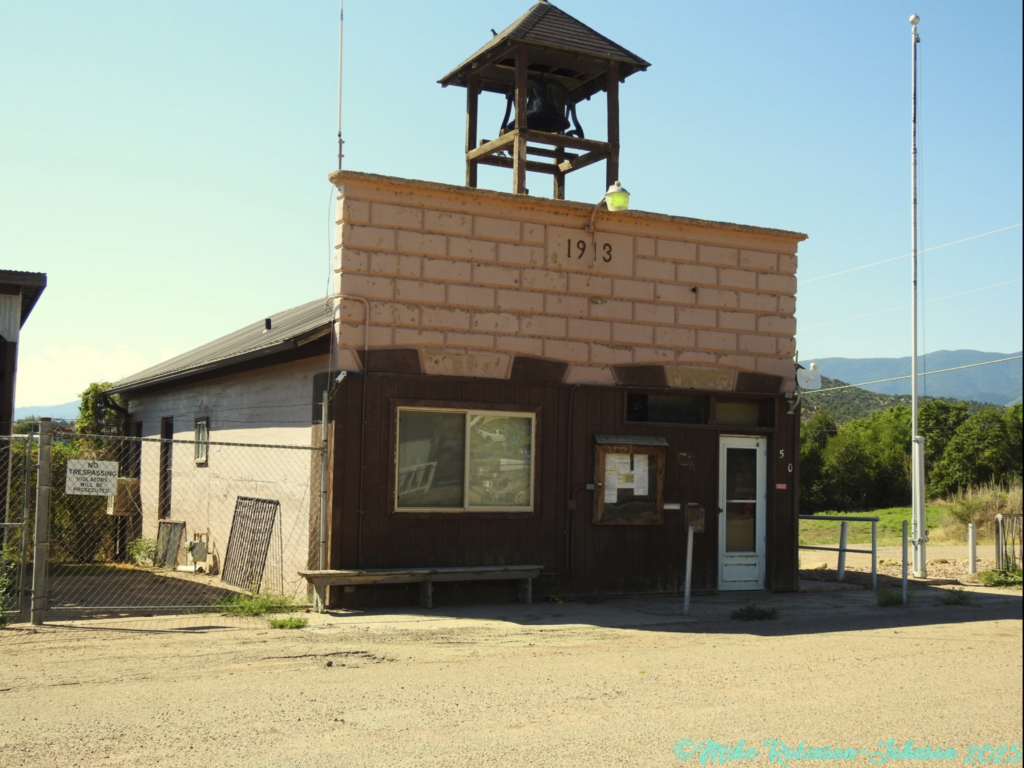
In 1910 a new brick schoolhouse was built, and a new, bigger water storage was started. This was deemed “The Big Reservoir”, and in 1913 an actual Fire Department was built. This would serve as Town Hall for a while also.
By 1914, and with World War 1 increasing demand and production, working conditions worsened. More mine strikes happened, including the infamous Ludlow Incident, and the town was on edge. Luckily nothing major occurred in Rockvale and the mine kept pumping coal out.
To help try and combat poor wages, worse conditions, and miners fatigue CF&I started making active efforts to build morale. This would include building the YMCA and Miners Club in 1917. This would last only a very short time as Influenza Flew into town in 1918 and the YMCA would be converted into an emergency hospital.
After the bout of Influeza, the YMCA was converted back to a social club.
In 1919, during a film showing, a fire broke out in the Town Hall. This would burn down the town hall, leave the fire department charred but standing, and it would completely destroy multiple other buildings that were never rebuilt. The fire department would serve at Town Hall for a period, and also the town Jail in the basement.
Things progressed until more mine strikes occurred in 1927, and this time CF&I officials warned if the equipment was off, they couldn’t reopen the mine, it would flood.
Despite this warning, pumps were cut off during the strike and the mine flooded ending CF&I operations at Rockvale. This would close the YMCA, Company stores, and the mine itself.
Multiple groups would try to re-open the mine, but it would ultimately close again and again. During this official CF&I owned period between 1896-1927 Rockvale would produce 4,519,908 TONS of coal, worth $63,278,852 (Worth just under $1.2BILLION today).
In 1930 with the closure of the Radiant mine, the last AT&SF coal train would go down the tracks.
In 1937, Mr. J. Corely started Corely Coal company and secretly used the rails to move his coal a little closer to town. By 1947 Corely convinced the AT&SF to legally abandon the rails through town, when he then purchases it and starts the Corely Zypher. This rail would run exclusively coal across the trestle and through town until 1956 when his mine is closed, and the rail not needed anymore. The trestle would be dismantled in 1957 with groups of local kids helping collect nuts and bolts in buckets.
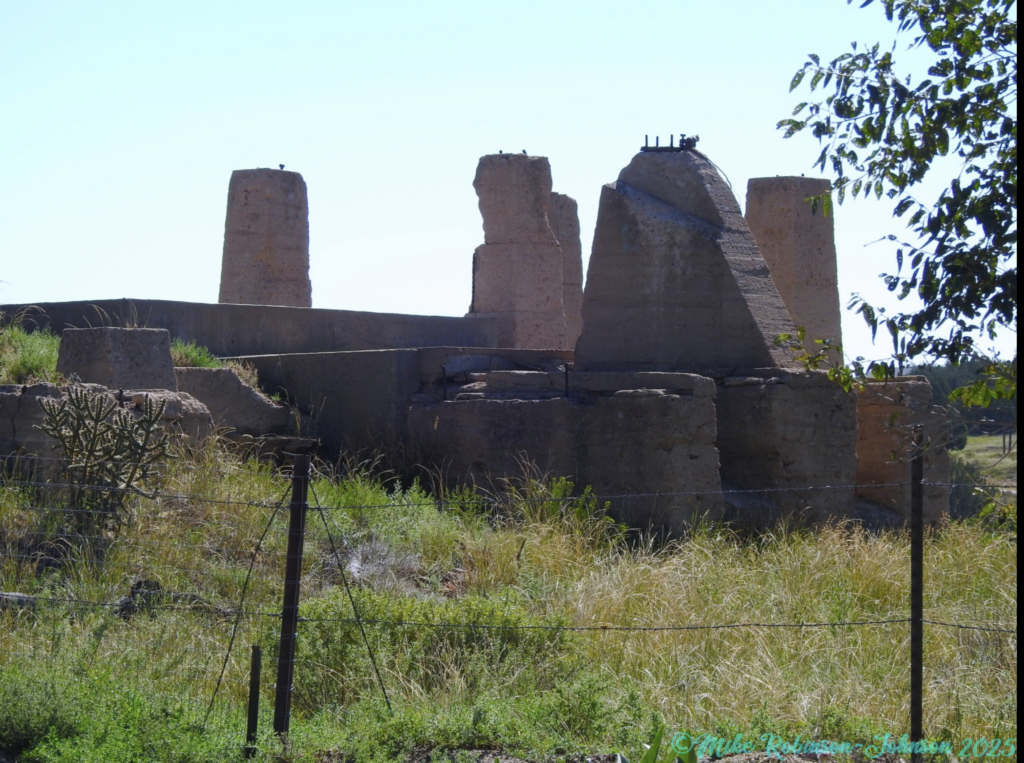
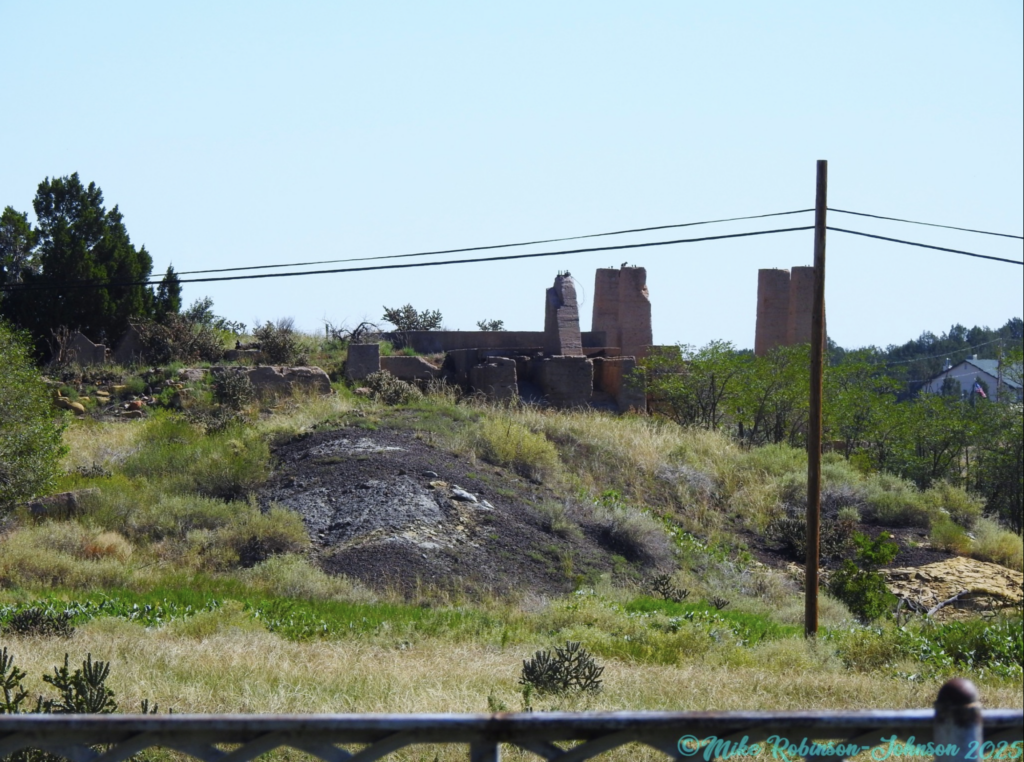
With the closure of the mines, and railways the towns population and buildings would slowly begin diminish, and in 1962 the Rockvale school would close. The mine would be backfilled and closed forever by the state reclamation department in the 1950’s and 1960’s with only a few pillars and tailings remaining.
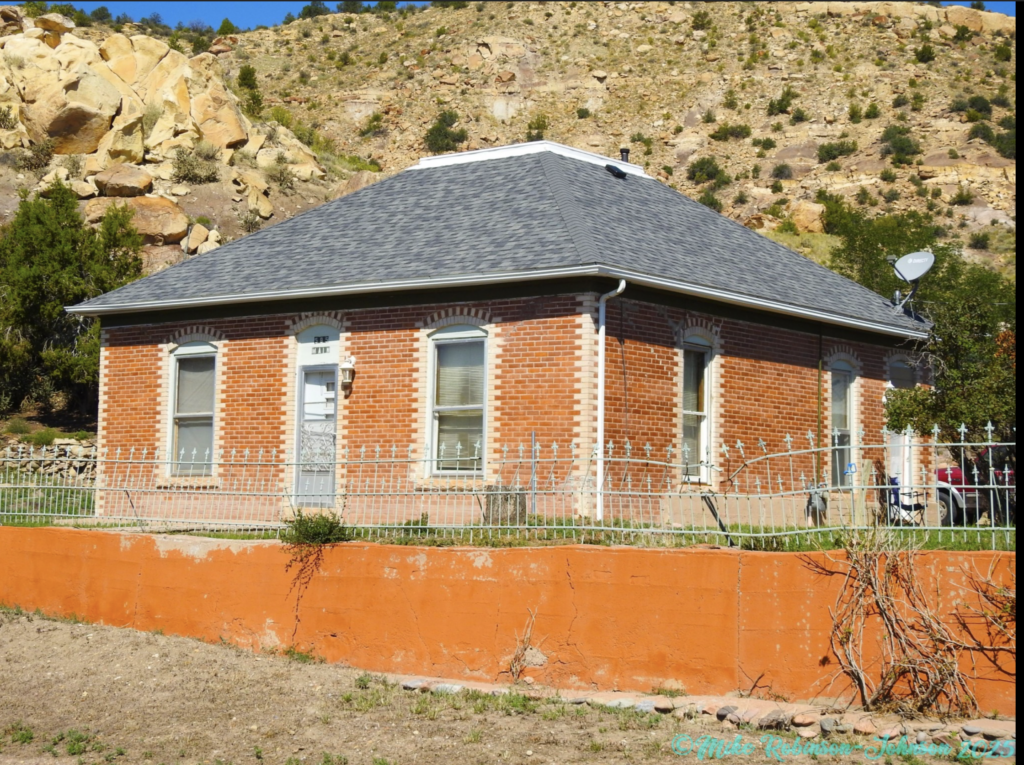
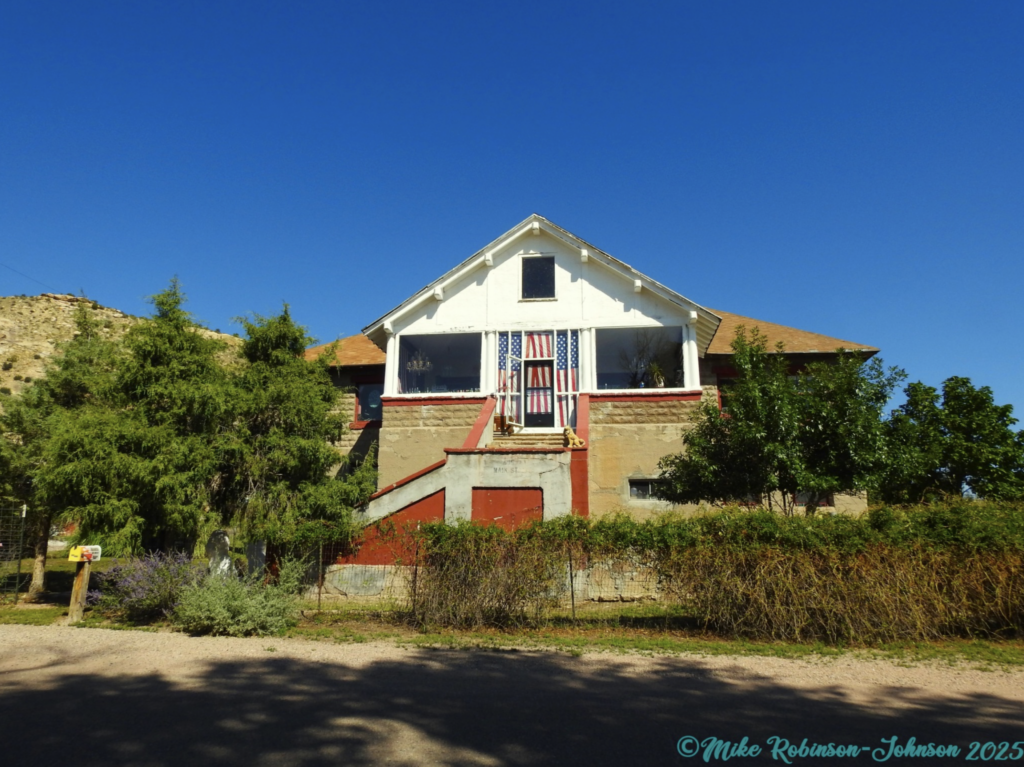
Some would try to revitalize the town and one local store, Mac’s, would renovate and move into the old YMCA. They would ultimately close in the 70’s and the building would go onto become a church and later a Private Residance.
Today Rockvale is a quiet little place with many of the residents looking out for each other. Most of the older buildings are long gone, the brick schoolhouse was razed, as well as the mine buildings, clubs, and most businesses. Most remaining buildings have been converted into private homes, or government and town buildings.
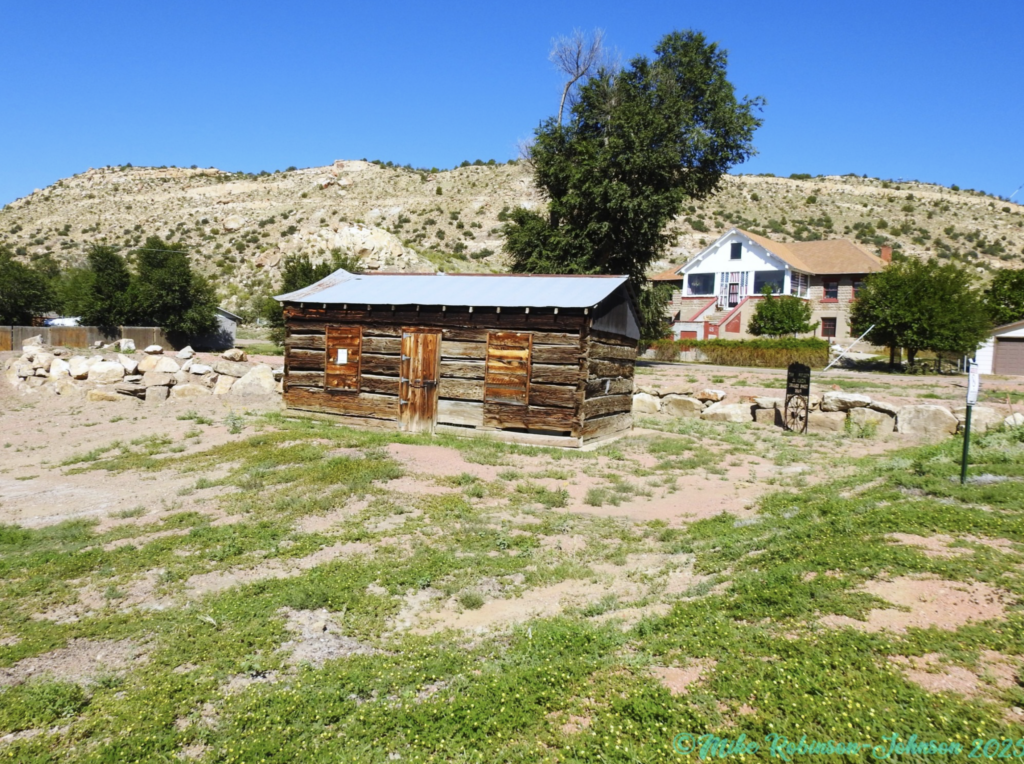
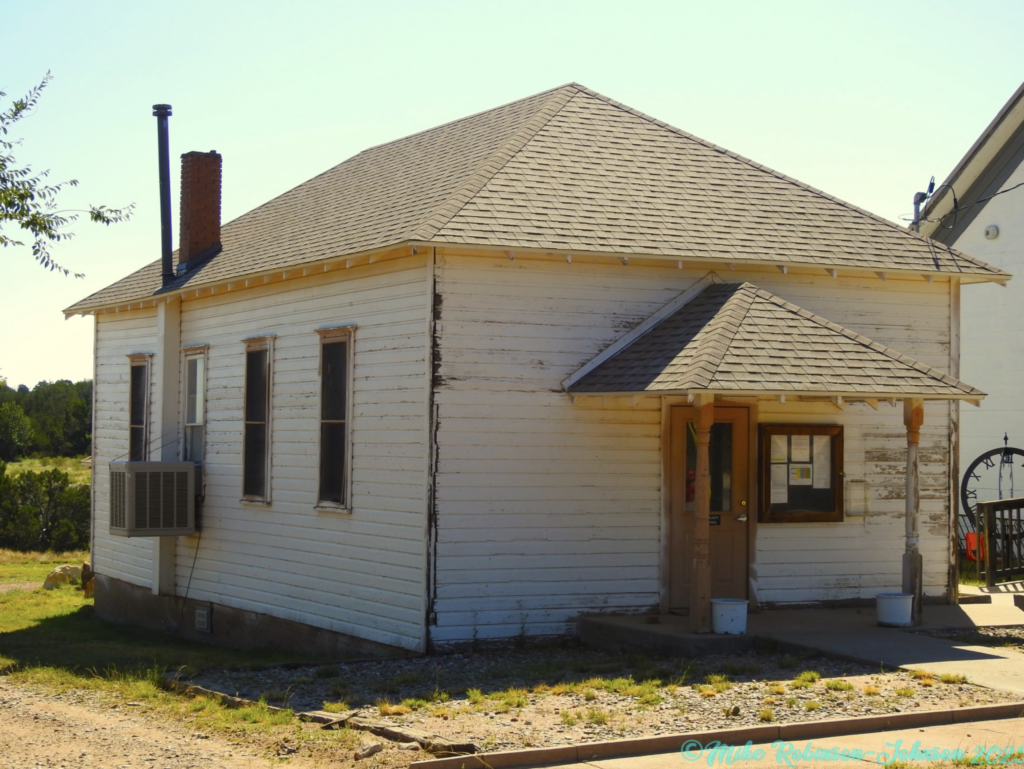
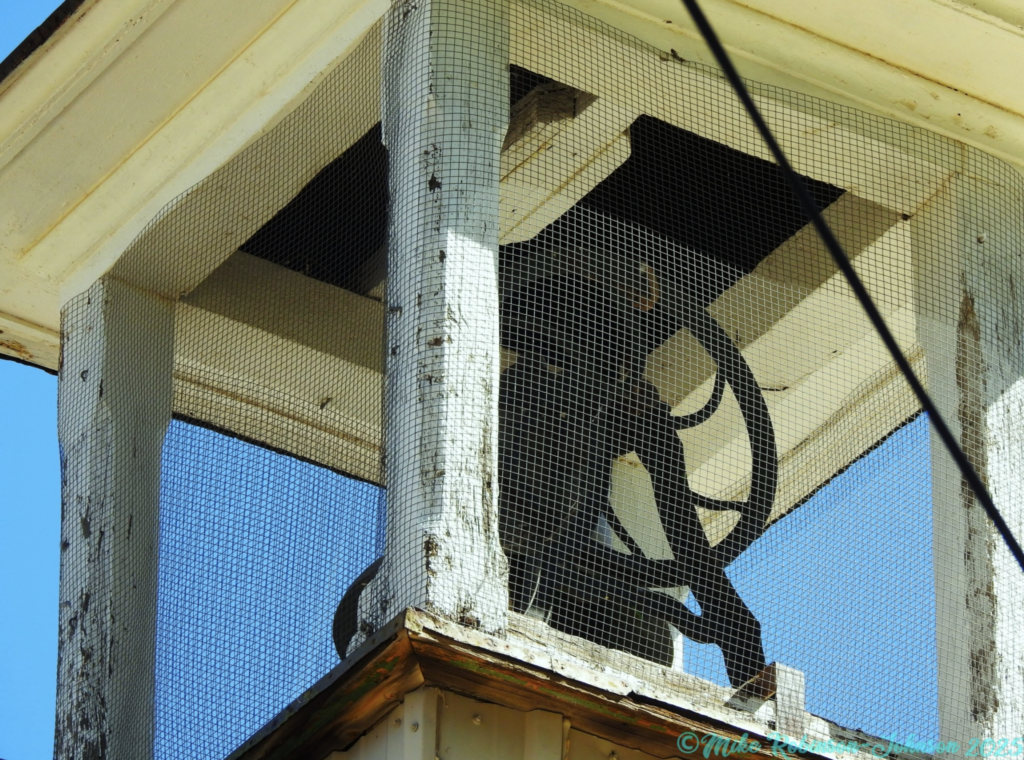
Some of these still standing are: The original 1862 May Cabin sits in the center of town; the 1882 Post Office is still in use as the town Post Office; one of The 1890 firehose houses; The 1891 St. Patrick’s Church is a private home; The 1893 schoolhouse still stands as the Community Building; the 1910 large reservoir stands on the edge of the hillside looking like a giant rock foundation; the 1913 Fire Department stands down the street from the post office; and the 1917 CF&I YMCA/Miners Club (1918-19 influenza hospital) still stands directly across from the park and May Cabin as a Private Home.
So, this winter when it’s just too cold to hike, come take a drive through the coal camps of Fremont County instead and respectfully view the tiny but hugely historic town of Rockvale…
What are you Waiting for?
Colorado is Calling.
Get out and Explore.
Full history of this building here: https://www.facebook.com/share/p/17PCP8PqhN/
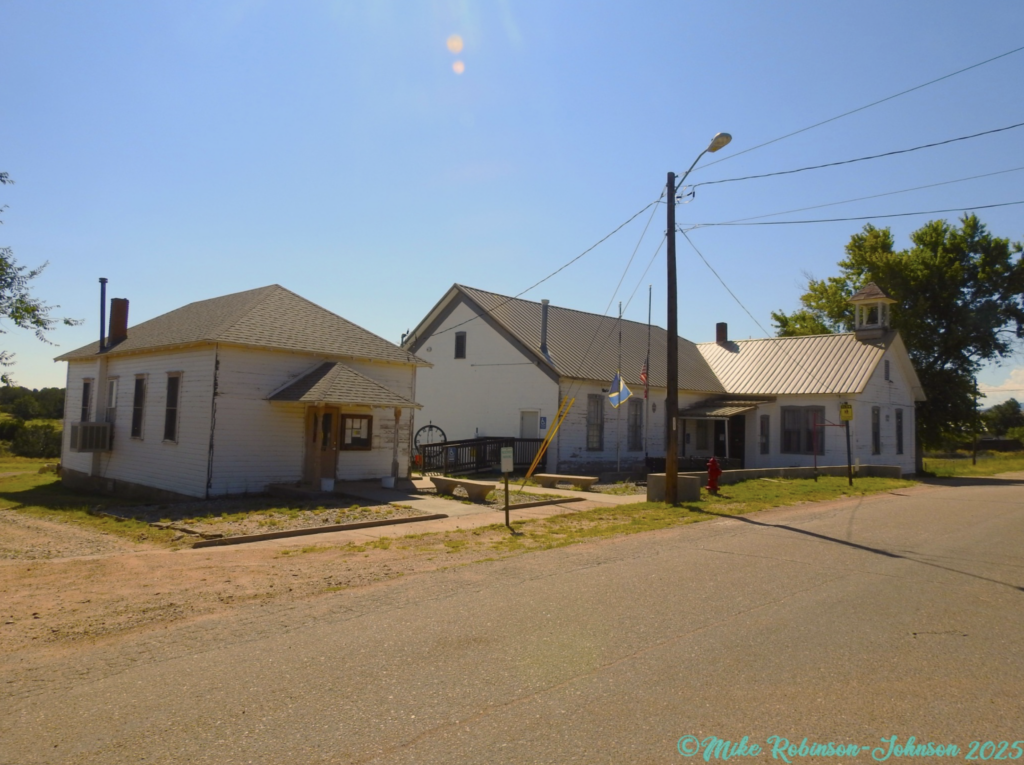
No wonder they call the hill these sit on School Hill.
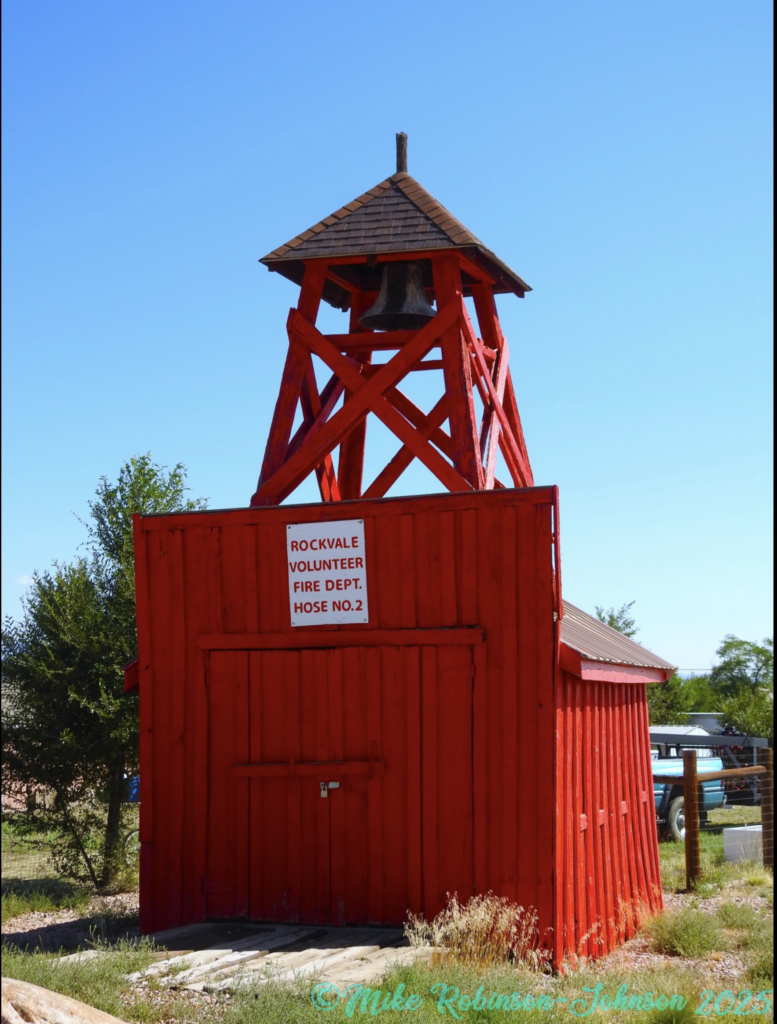
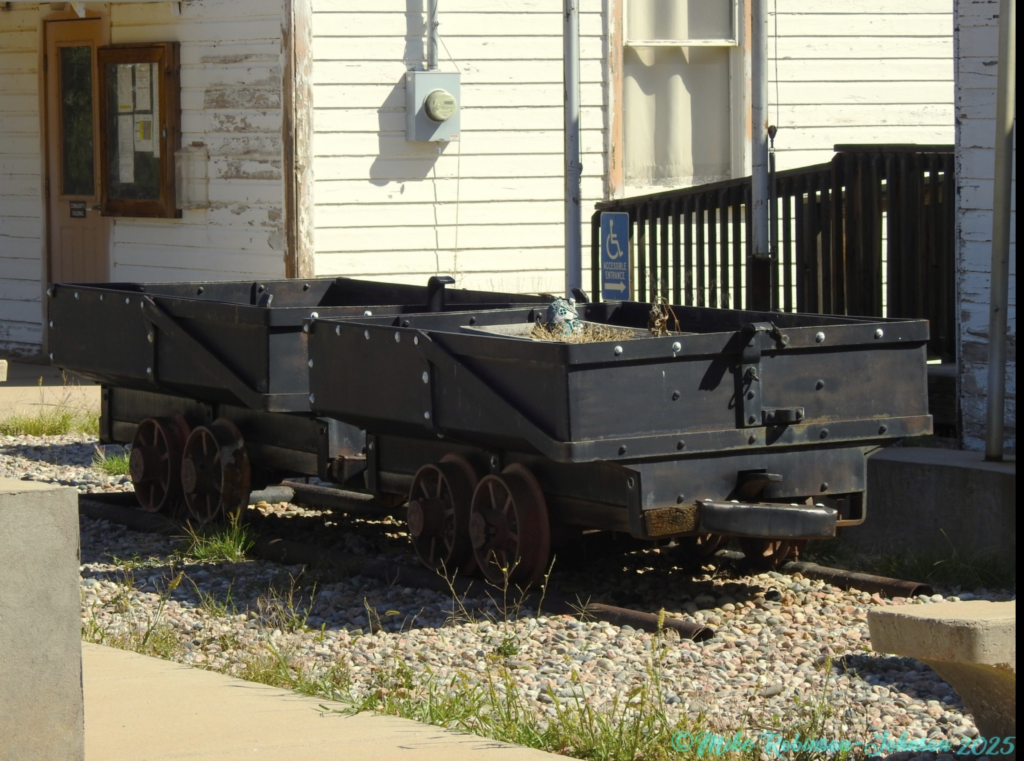
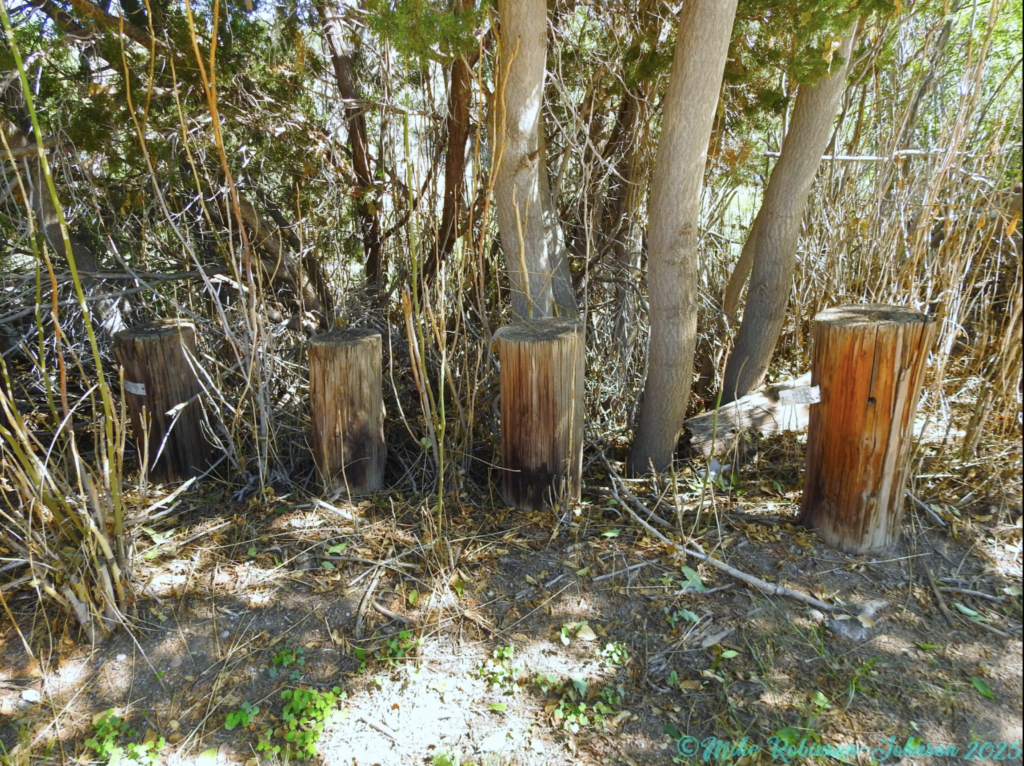
One of these also survived and may be remembered by some as standing at Buckskin Joe’s Frontier Town and Railway.