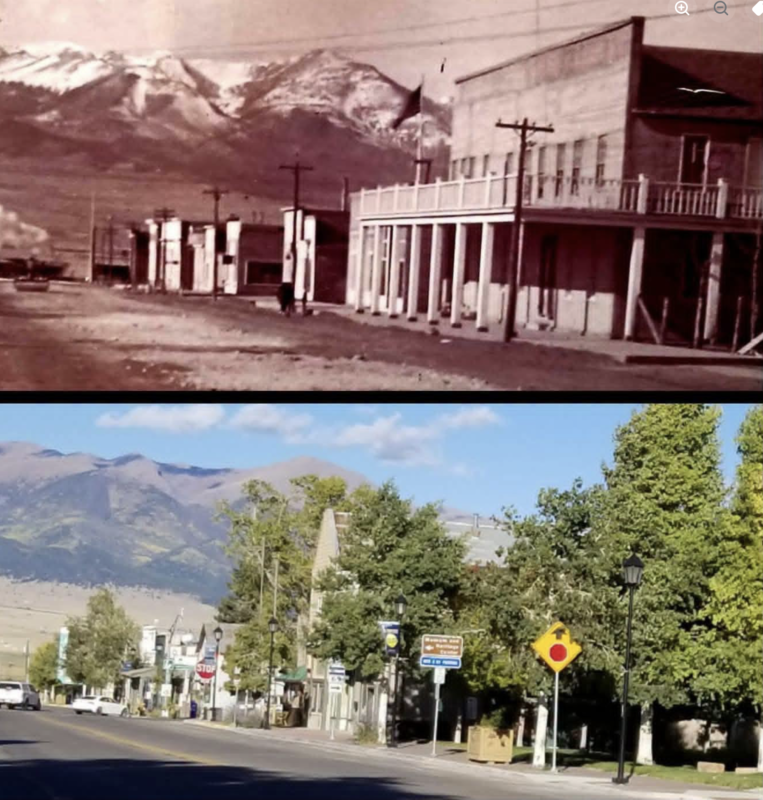
You can read Westcliffe History HERE
A Collection of Photos in No Particular Order
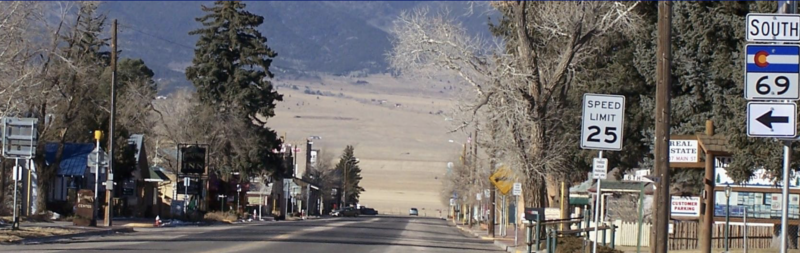
History of Westcliffe
Westcliffe, Colorado, incorporated in 1887,grew as a crucial railroad terminus for the Denver and Rio Grande Railway in 1881, thriving as a ranching supply center after the neighboring mining town of Silver Cliff declined. It became the Custer County seat in 1928, evolving into a quiet, scenic, and agricultural community.
Westcliffe is a Dark Sky Community
Today, Westcliffe is the County Seat for Custer County.
Places to Visit:
- Old Westcliff Schoolhouse & Museum: A 19th-century schoolhouse (1891–1953) preserved to show early education in the valley.
- Beckwith Ranch: Established in 1874, this historic ranch was once one of the largest cattle operations in the state.
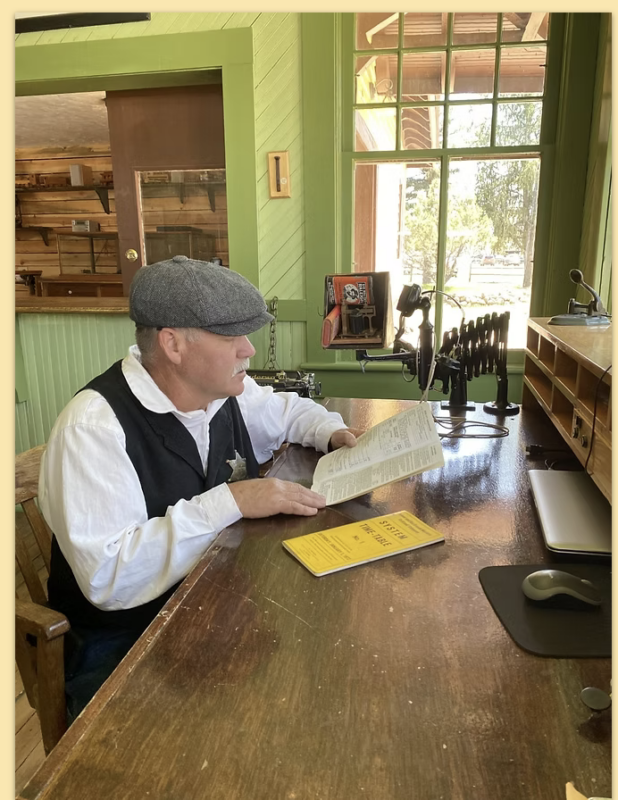
- All Aboard Westcliffe: A museum dedicated to the area’s rich railroad history.
- Mercier House: A home built by notable local stonemason Archie Scherer.
A Collection of Photos in no Particular Order
Torched Hotel and Saloon
Written by Richard Posadas and shared on the Custer County Westcliffe/ Silver Cliff/ Wetmore/ Hillside Information Page on October 6, 2026
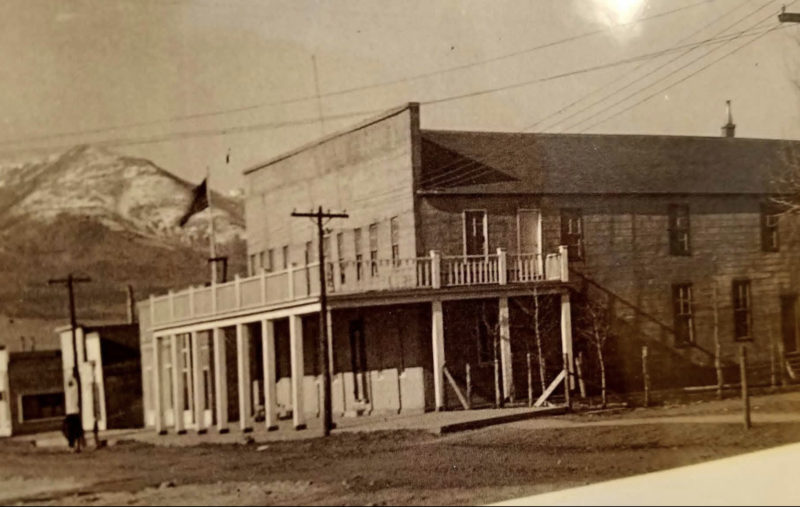
The night a landmark hotel and saloon went up in flames on Main Street—right where Jess Price Park stands today—is a story the town of Westcliffe, Colorado will never truly forget.
For years, people said the old building simply “burned down.” But according to an eyewitness who watched it happen, the proper terminology is “torched.”
It was the 1970s, and a bitter feud had been brewing between the establishment’s owners, another local business owner, and a group of residents. The tension finally reached a boiling point on a day when the town was completely vulnerable. The entire Westcliffe fire department had headed out of town for a picnic in Rosita, leaving behind an empty station.
Under the cover of their absence, the building was doused in fuel. Torches were tossed, and the historic structure caught like tinder.
Only one firefighter remained in town that night. Determined but overwhelmed—and perhaps moving a little slower than usual, in true 1970s fashion—he rushed to the scene alone. He dragged the heavy hoses out, lining them down Main Street in a desperate, one-man rescue attempt. But he couldn’t attach them all fast enough. The fire was moving too quickly.
As the flames leaped into the night sky, word spread fast. Connie Jennings Dunn was among the crowd that gathered in the dark. “I remember that night!” she recalls. “It was crazy! I think the entire town and people from the valley came in and watched!”
They stood shoulder to shoulder on Main Street, watching an era turn to ash—leaving behind a mystery, a park, and a story whispered for decades