This is an article written by Mike Robinson-Johnson and shared on his Facebook page on February 16, 2025
“Don’t go out there after dark, it’s haunted!”; “You’ll end up with handprints in the dust”; “There’s strange orbs floating”
Those were the stories told about Chandler to many of Fremont County’s youth as they grew up in the late 1900’s. Unbeknownst to many, Chandler was a Ghost Town, but it was a Company Owned Coal Mine that turned Ghost Town after the mine and company sold and moved on.
Keep reading for the history of Chandler, Colorado in Fremont County.
Chandler, Colorado was homesteaded in the mid to late 1800’s by a Mr. Chandler along a small creek South of Brookside, and West of Williamsburg.
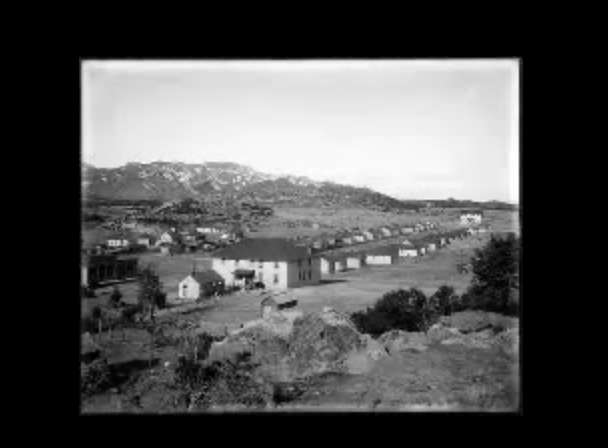
Coal was discovered in 1890 at which point Mr. Chandler leased the property to Western Fuel Company, and they opened the ‘Chandler Mine’ in his namesake. Between 1890-1909 as the mine grew deeper and the number of men working became higher, Western Fuel Company began building homes for the miners.
The company town of Chandler soon followed, and by the beginning 1909 it was booming with 350 miners producing 12,000 tons per month of coal at its peak.
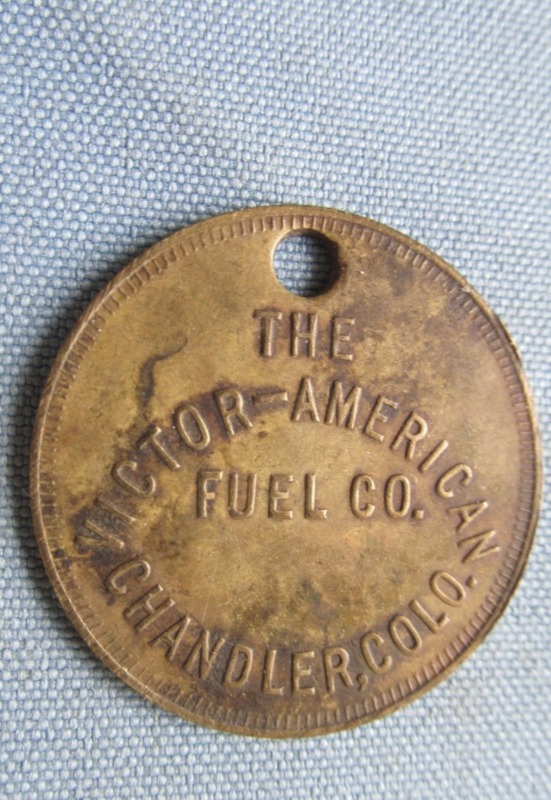
1909 also brought changes to Western Fuel Company, as they had a company reorganization and became Victor-American Fuel Company. This also meant stricter policies in their Company owned towns.
Chandler was strictly a company town, meaning you could not live or stay in town unless you had direct dealings with the mine, or company store. Miners were paid per day and had to use some of those earning to repay the company for the housing and supplies they used. Most of their pay came in ‘script’ which was only allowed to be used at the stores owned by the company and could be traded for real money at a fraction of its face value.
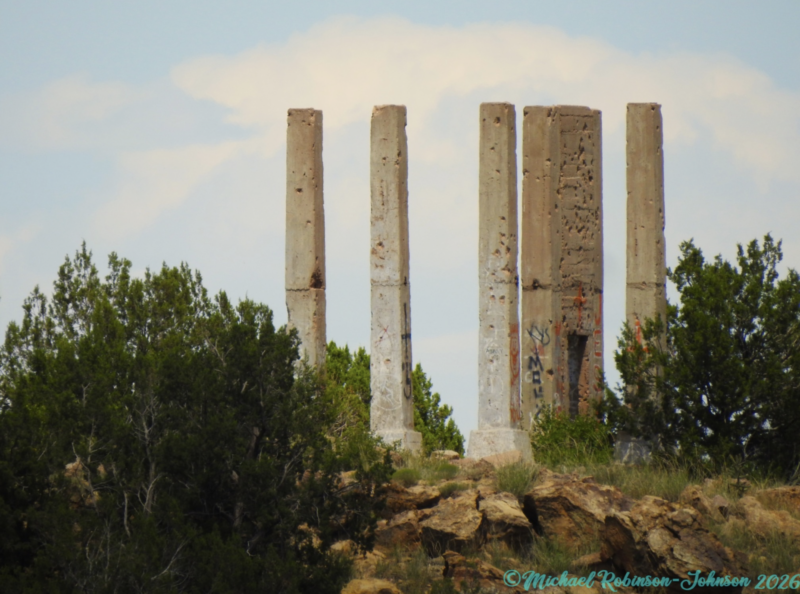
Water was pumped from the creek to a tower on the hill which supplied gravity fed water to the company housing. The Atchison, Topeka, and Santa Fe Railway (AT&SF) would run rail lines from Florence up into Chandler and the mining boom was on.
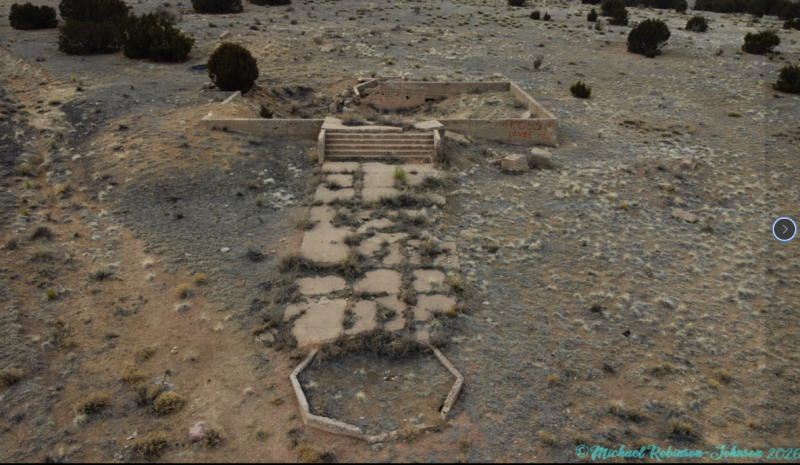
During the early years of Chandler, the company built a one room schoolhouse for the children of the town, and other nearby mining camps. The original one room schoolhouse burnt down sometime in the 1910’s and a new 2 room, 1 auditorium schoolhouse was built by Victor-American Fuel Company. The decision to enlarge the school came partially due to the growth of town, and the growth of other nearby coal camps like Cuckoo. This school would serve the children of Chandler until 1942.
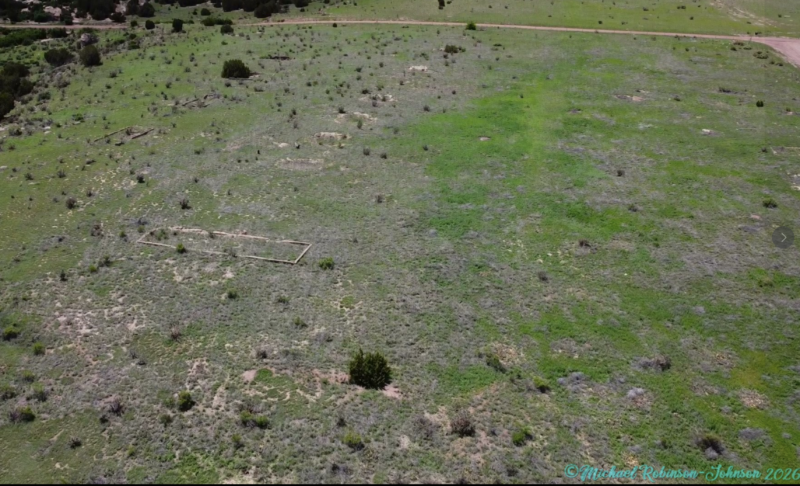
That foundation remains to the north of the remains of town today, and can be seen from the road, on the west side of the 3-way intersection.
During the mine strikes of 1914 Chandler would see some unrest and outlaw behavior. In March of 1914, in nearby Brookside, rioters would go into town and fire between 50-100 shots causing a commotion on an otherwise quiet Sunday. Those gunmen and strikers would last be seen riding out towards Chandler but were never caught.
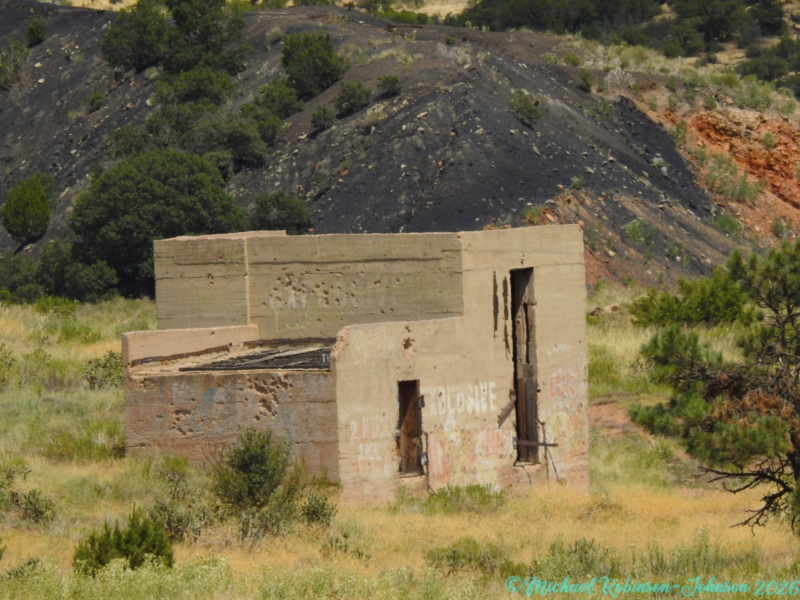
Chandler Mine would operate until closing in 1942 and produced over 6.6 million tons of coal over their 52 years of mining. Victor-American would sell the homes for $25/room unless they had electrical ran to them, then it was $50/room. So, a 4-room house would cost $100-$200 depending on if it had electrical, but you had to move them. Many of them were bought and moved into Williamsburg, Rockvale, Florence and Cañon City and still survive as single family homes today.
All photos by Mike Robinson-Johnson
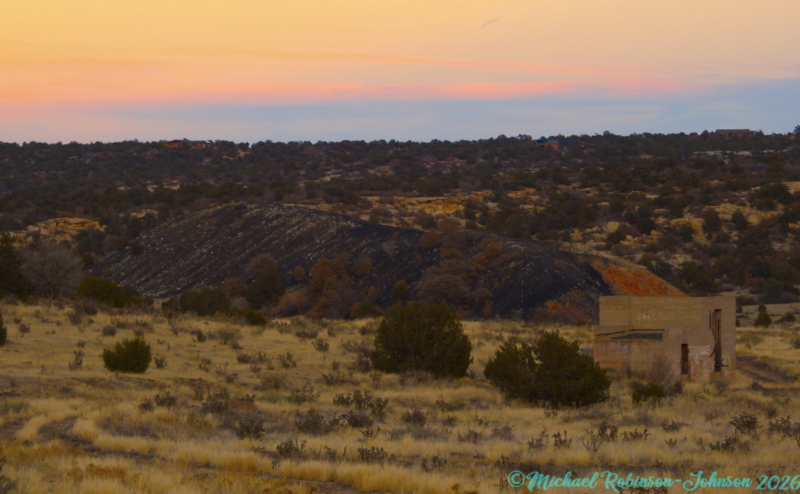
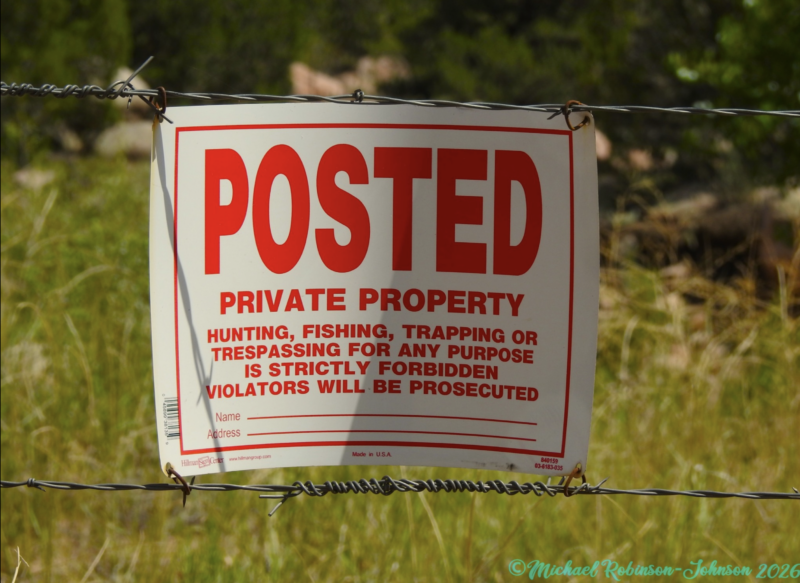
BE RESPCFUL and DO NOT TRESSPASS.
All images in this post were taken from the air, or from the PUBLIC ROAD–photo by Mike Robinson-Johnson