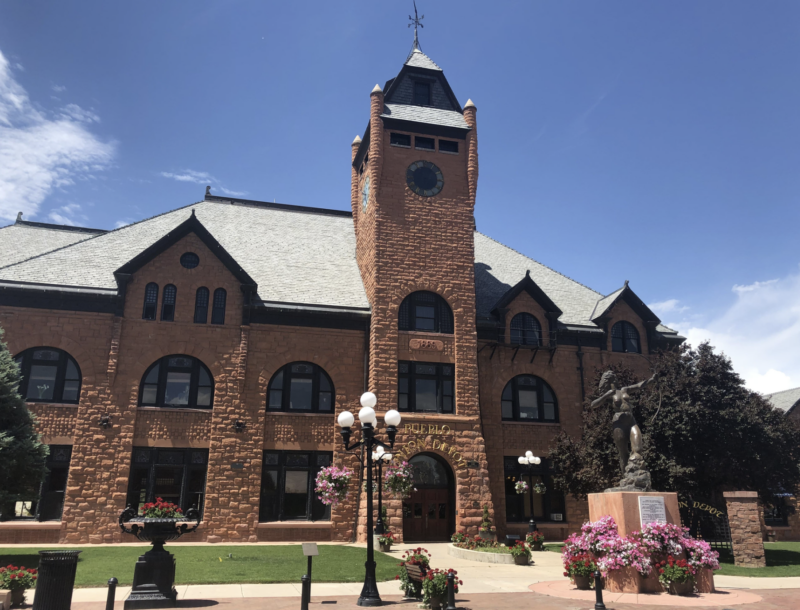
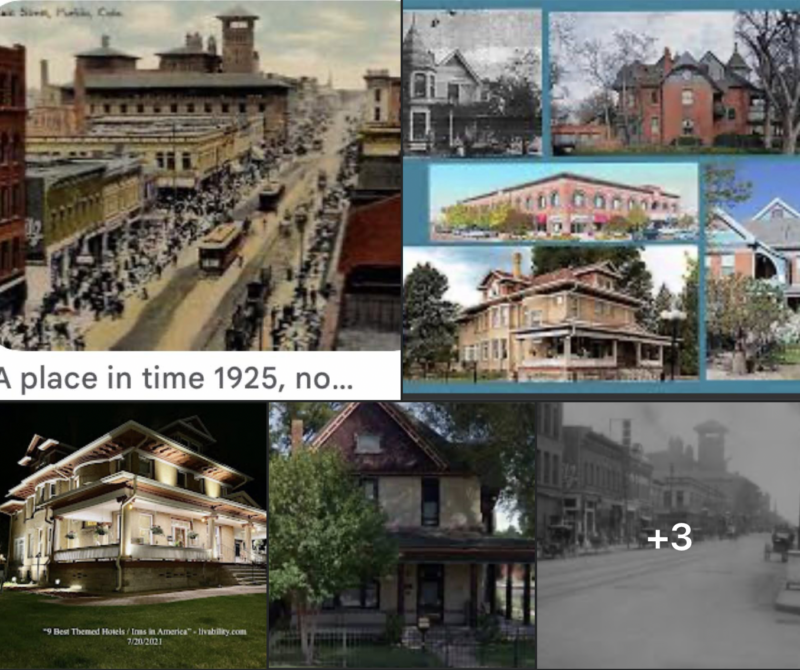
The City of Pueblo has a long and colorful history dating back to 1842, when it was called Fort Pueblo.
What brought our city from a small fort in southern Colorado to the backbone of Colorado were the ore mines.
This area once housed 4 separate towns, which are Pueblo, South Pueblo, Central Pueblo, and Bessemer. These 4 towns together now make up the City of Pueblo.
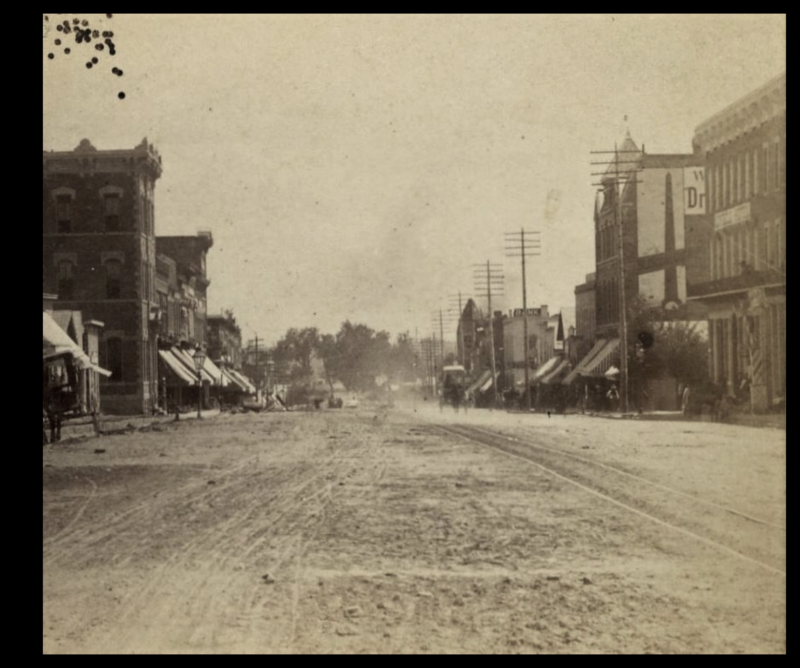
Main Street 1882–photo from Pueblo County Historical Society
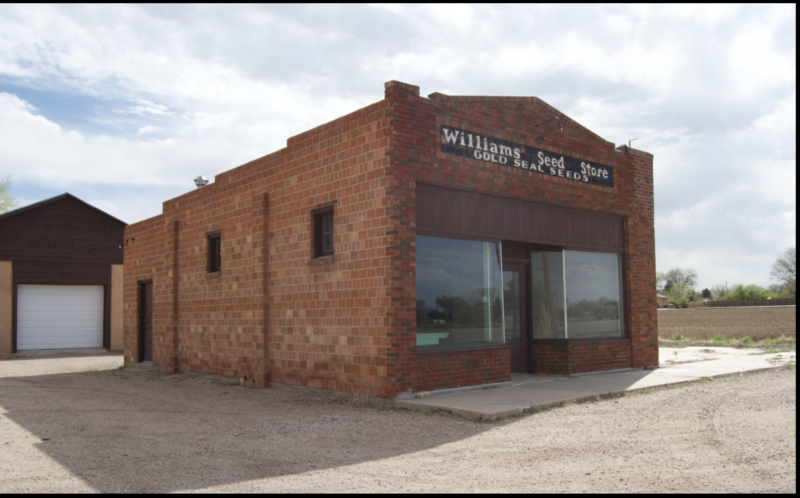
The Williams Seed Store is located on the southeast side of Hwy 50 in Pueblo County. The Williams family has farmed on the land since 1913 and operated the seed store since Guerino “Henry” Angelo Williams opened it in 1936.
During its prime, the Williams Seed Store produced corn, asparagus, tomatoes, squash, and chiles among other crops with the purpose of harvesting through all seasons
Additionally, the seed store was instrumental in supplying seeds and starters to farmers and residents in the surrounding region.
The building is also significant as an Italian owned and operated farm
After immigrating in 1892, Henry’s parents, Angelo and Giuseppina Guglielmo, arrived in Pueblo in 1894 and changed their last name to Williams in 1906.
Henry and his wife originally purchased the property from his parents for $1.00 in 1928. In 2024, it was added to the State Register of Historic Places!
The film – Mirasol: Looking at the Sun – explores how challenges brought by growth and climate change are affecting Italian and Hispanic family farms east of the city of Pueblo. If you’re interested in this story, learn more at Mirasol Film — Photo courtesy of Kristi Minello
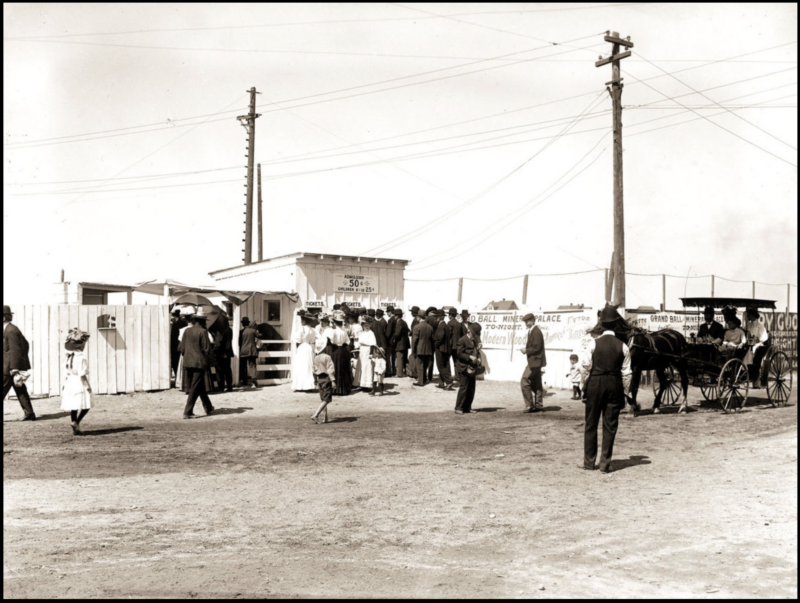
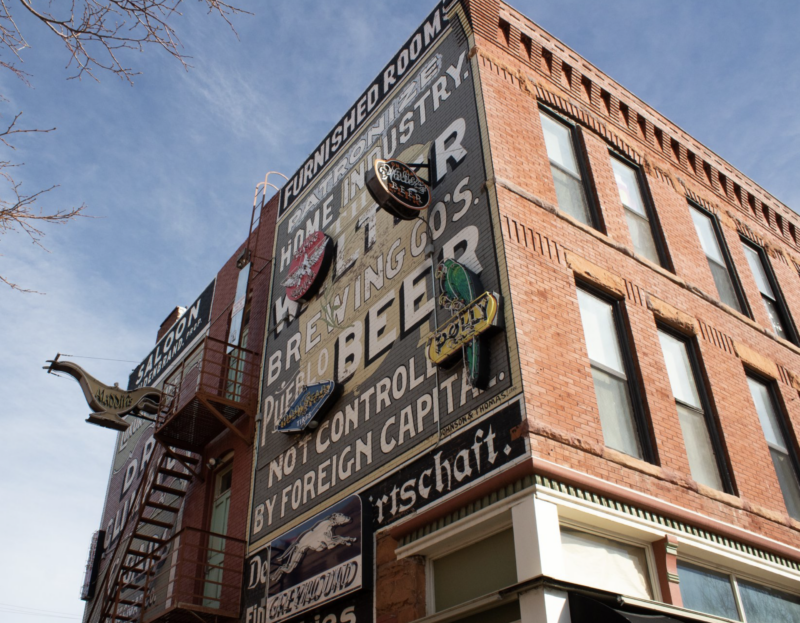
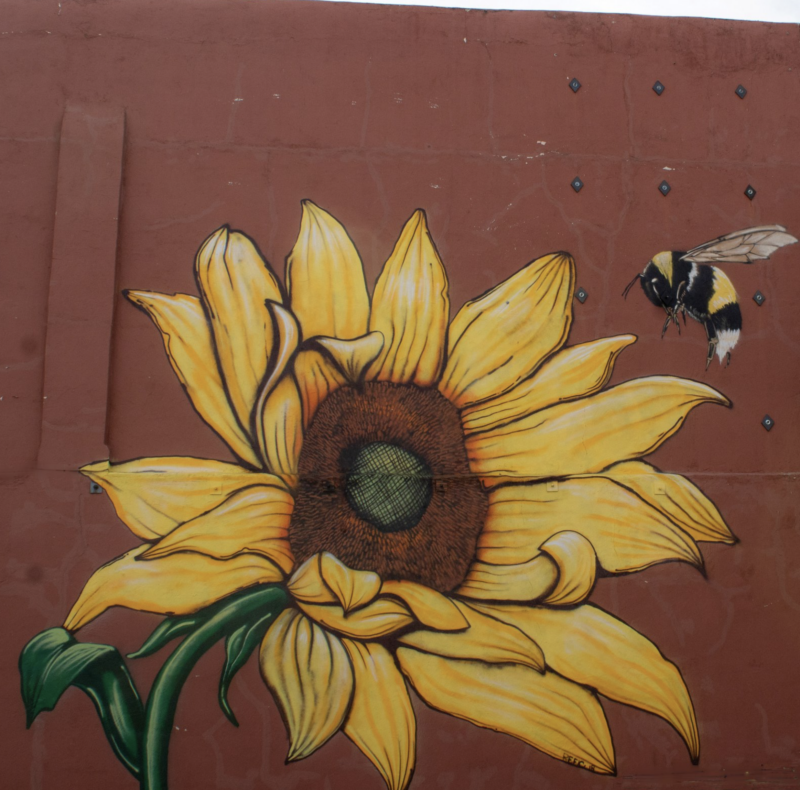
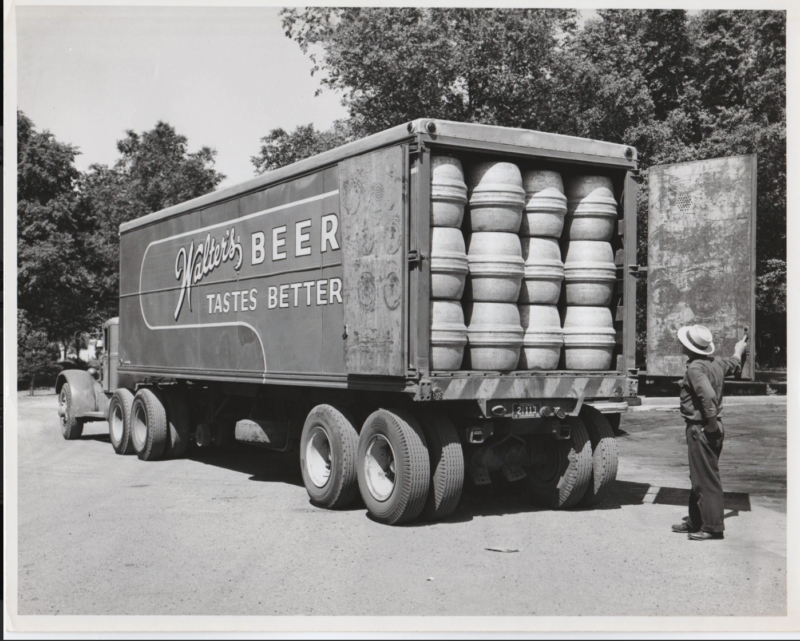
It’s State Fair Time-photo supplied by the Pueblo County Historical SocietyNeon Alley, Downtown PuebloSunflower and bee mural on Union Ave, downtown PuebloWalter’s Brewery Learn the History of Walter’s Brewery HERE
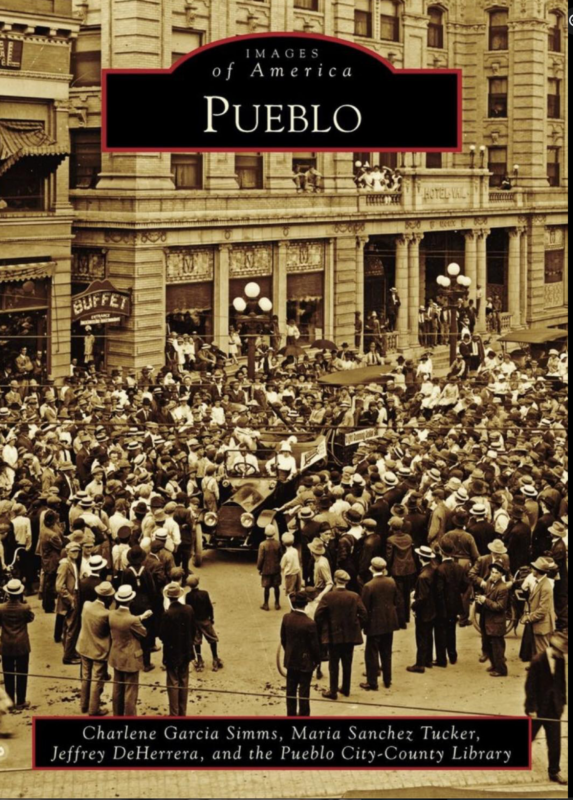
The image on the cover of the book Pueblo (part of the Images of America series) was taken in 1915.
What is happening in the picture?
The photograph captures a large crowd gathered in downtown Pueblo, Colorado, on a day meant to showcase progress and modern technology. Specifically:
Pueblo Chieftain
Vehicle Exhibition: The crowd is assembled to view the latest model cars of the era.
Key Landmarks: The scene takes place in front of two historic local buildings: the Vail Hotel and the Star-Journal building, currently the Senate.
Pueblo Chieftain
The authors of the book, Charlene Garcia Simms, Maria Sanchez Tucker, and Jeffrey DeHerrera, selected this specific image because it represents a time when Pueblo was a bustling hub known as the “Pittsburgh of the West”.
This article was published by Keith Guerrero on his Facebook page on March 29, 2026
Longest-Running Food Establishments
While some are markets with delis, they represent the oldest continuous food operations in the city:
Gagliano’s Italian Market
Operating at its current address since 1921, this is arguably the oldest food-related business in Pueblo. It evolved from a neighborhood grocery into a landmark deli known for its homemade Italian sausage and specialty breads like “stro”.
The Senate Bar & Grill
Established as “The Senate” in 1939, it is recognized as one of the city’s oldest taverns. The building itself dates back to 1904 and even survived the devastating 1921 flood.
Shamrock Brewing Co
Originally opened as the Shamrock Café around 1940, it has been a downtown staple for over 80 years. It still features its original vintage mahogany bar and a World War II-era tile floor.
Ianne’s Pizzeria Inc
Founded in 1945, it is celebrated as the oldest pizzeria in Colorado. Now in its fifth generation of family ownership, it continues to serve original recipes in the historic Bessemer neighborhood.
Pass Key Restaurant
A Pueblo icon since 1952, it began as a drive-in purchased by the Pagano family. It is famous for the “Pass Key Special,” a unique square Italian sausage sandwich.
Pass Key Pueblo West
Notable Historic Eateries
Gray’s Coors Tavern
A historic tavern operating for over 87 years, widely known as the birthplace of the “Slopper” (a burger smothered in green chile).
DJ’s Steakhouse
4289 N Elizabeth St
Cited as the oldest “true steakhouse” in Pueblo, with the owner’s roots in the city’s restaurant business dating back decades.
Pantry Restaurant
107 1/2 E Abriendo
A long-standing “green chile haven” that has been serving the community for over 50 years.
Pueblo Chieftain
This article was published by Keith Guerrero on his Facebook page on March 20, 2026
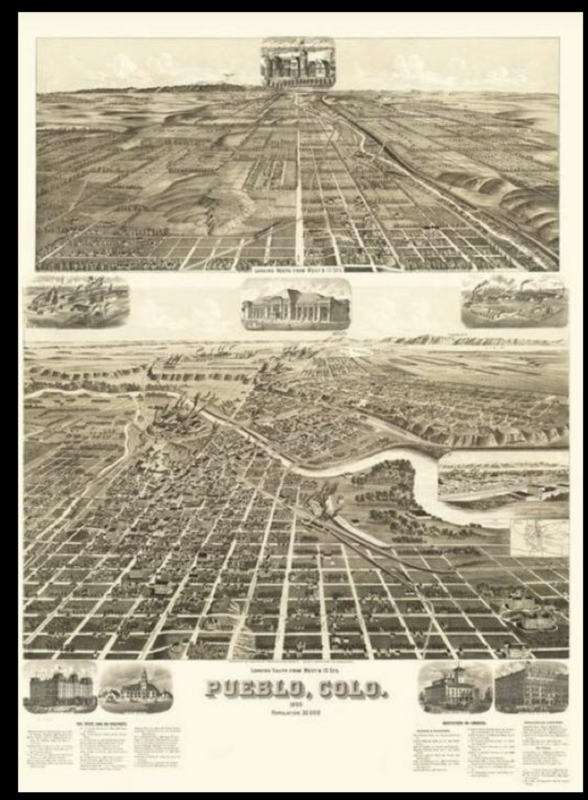
Pueblo Map, 1890
This image is a historic dual-view panoramic map of Pueblo, Colorado, published in 1890 by the American Publishing Co.
Created by artist Henry Wellge, the print provides a comprehensive bird’s-eye perspective of the city during a significant period of its growth.
Key Features of the Map Dual Perspectives: The top section shows the city looking north from West & 15th Streets, while the bottom section shows it looking south from the same intersection.
Detailed Illustrations: The map is framed by several inset illustrations of prominent 19th-century landmarks, including:The Colorado Mineral Palace, Union Depot, The Grand Hotel and the Pueblo Opera House, Industrial sites like the Philadelphia Smelting Works and Colorado Coal & Iron Co.
Historical Context: At the time of this publication, the map notes Pueblo’s population was approximately 30,000. This era saw Pueblo revitalized by the Denver & Rio Grande Railroad and its proximity to coal fields, which fueled its industrial identities.
Shared by Keith Guererro on his Facebook page, May 1, 2026
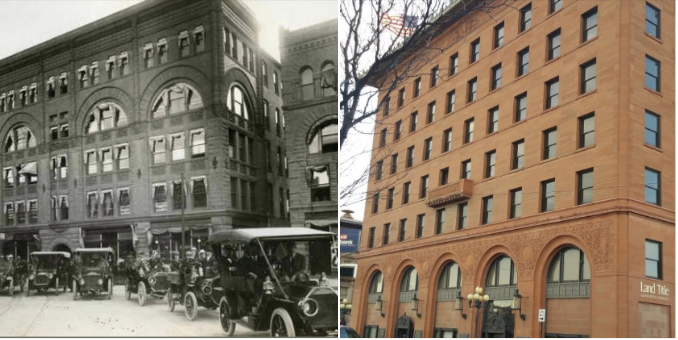
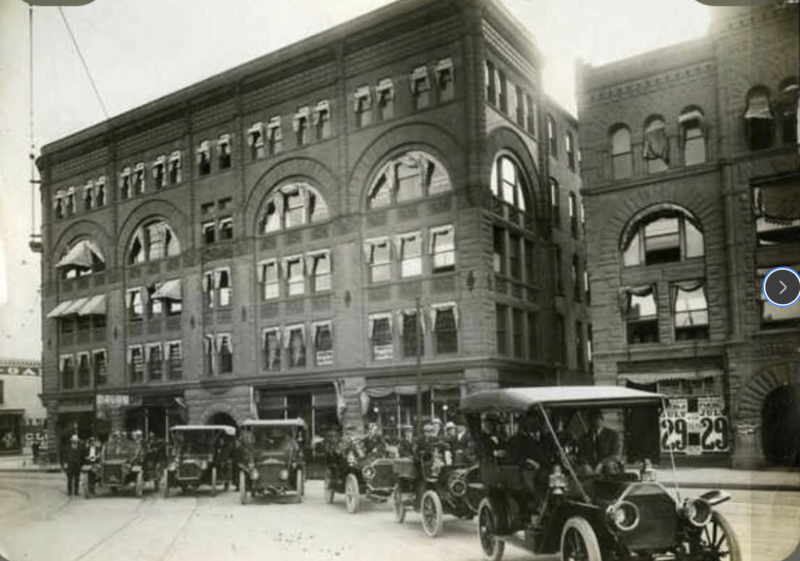
This image captures a bustling historic scene in front of the Central Block building in Pueblo, Colorado, likely around the early 1900s.
History of the Central BlockDesigned in the Romanesque Revival style, the Central Block was a prominent landmark in downtown Pueblo during this era. The architecture is characterized by its heavy masonry, large arched windows, and decorative brickwork.
Usage: During this period, the building served multiple purposes, housing various businesses including a drug store visible on the street level.Context: The image shows a parade of early automobiles, highlighting the transition from horse-drawn carriages to motor vehicles in the city.
Preservation: While several buildings of this style were demolished in various cities during mid-century urban renewal, the Central Block remains a key piece of Pueblo’s historical record.
Written by Keith Guerrero and shared on his Facebook Page on May 4, 2026.
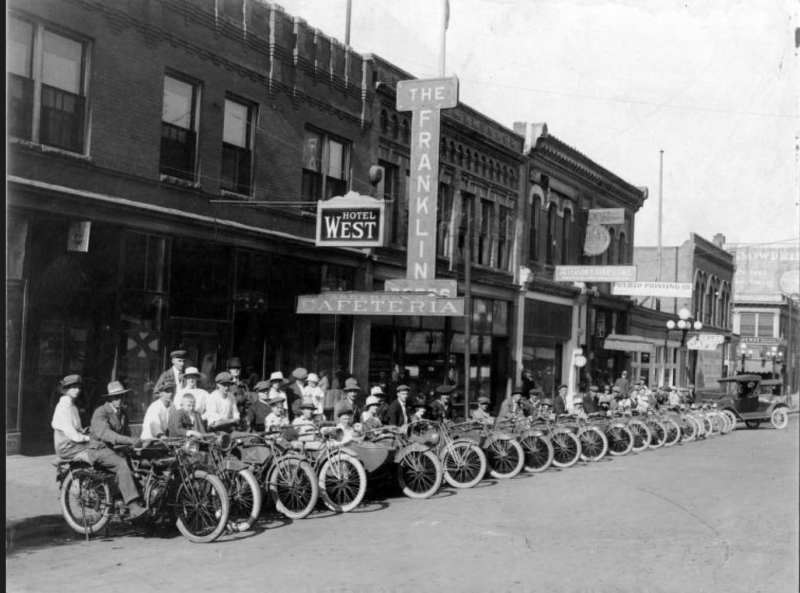
Motorcycles have always been a part of Pueblo
Shared on the Pueblo County Historical Society Facebook Page on May 18, 2026
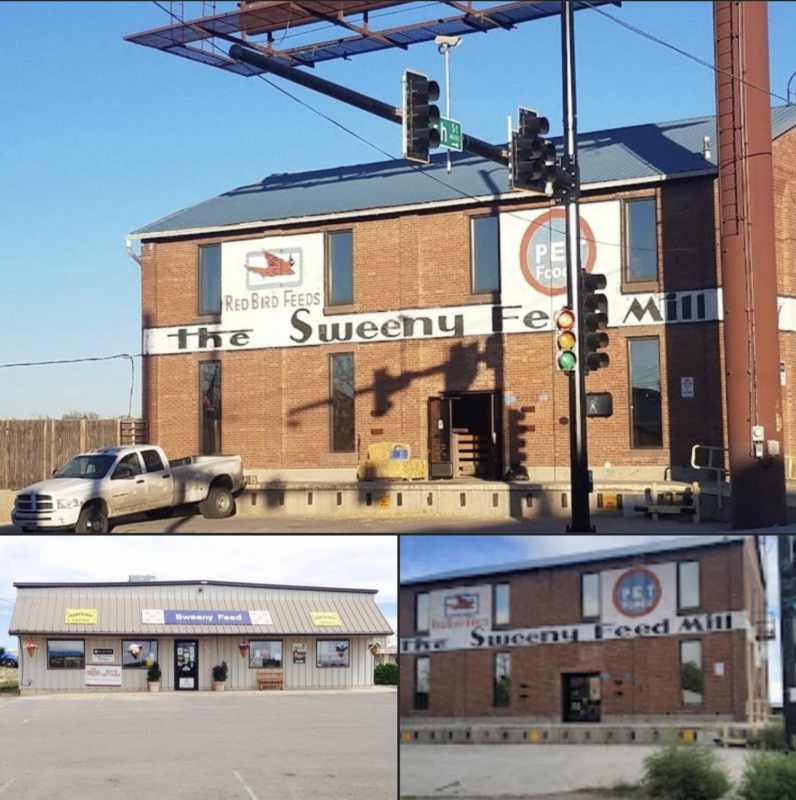
Sweeny Feed Mill
Sweeny Feed Mill, shared by Keith Guererro on Facebook, May 19, 2026
The property at 403 E 4th Street in Pueblo, Colorado is historically known as The Sweeny Feed Mill.
It is an officially designated Pueblo Local Landmark, receiving its formal historic status on August 26, 2006.
Historic Pueblo
Historical Significance
* Industrial Heritage: Built between 1896 and 1897, the mill represents the agricultural- and extraction-based processing industries that once drove Pueblo’s growth as Colorado’s principal industrial center. These types of historic industrial facilities are now increasingly rare in the city.
* Prominent Figures: The building’s history is closely tied to its prominent early owner Andrew McClelland, manager Joseph F. Sprengle, and James Koller Sweeny.
* Historic Pueblo�Architectural Highlights
* Curtain Wall Innovation: The main 3-story brick storefront is highly unique for its era, serving as an early example of industrial “curtain wall” construction. It utilizes minimal structural components throughout the building rather than traditional heavy masonry or wood framing.
* The Crib Tower: The adjacent 3-story grain and hay elevator tower (added around 1900) features “crib” construction. This distinct engineering style consists of flat-stacked 2-by-6-inch boards to withstand the heavy internal pressure of stored grain.
* Interior Character: The interior retains massive historic appeal, featuring exposed brick and timbers, high ceilings, large windows, and original loading docks.
* Historic Pueblo Current Status
The complex encompasses roughly 18,522 square feet of space sitting on a 0.44-acre lot right near Downtown Pueblo and the Fountain Creek area. Because of its industrial (I-3) zoning and landmark status, the City of Pueblo actively encourages its adaptive reuse and preservation, leaving the door open for future conversion into a brewery, distillery, creative gallery, or unique loft apartments.
If you are exploring the genealogy or local architecture of 403 E. 4th Street, a treasure trove of historical connections links the property to Pueblo’s growth.
Historic Pueblo
Genealogy & Family History Context
Three primary figures shaped the history of the mill:
Historic Pueblo
* Andrew McClelland (The Entrepreneur/Owner): Born in Missouri, McClelland moved to Pueblo in 1882 to start a wholesale grain and feed business. He was a massively influential Pueblo figure; he founded the Pueblo Free Public Library (which was named after him), built the Columbia Heights subdivision, and brought the Missouri Pacific Railroad to town. In 1904, he took a trip around the world and brought back artifacts—including an Egyptian mummy—that are still displayed on the top floor of the Rosemount Museum.
* James Koller Sweeny (The Namesake/Manager): Born in Baltimore, Maryland, in 1856, Sweeny moved west and married Rose Belle Crystal in Pueblo in 1880. He took over operations at the mill, establishing it as a multigenerational business. The Sweeny Feed Mill operated at this exact location for well over 100 years, continuing to manufacture feed here until high utility costs forced the business to close the historic physical mill.
* Joseph F. Sprengle (The Early Manager): Sprengle worked alongside McClelland to build up the early distribution and agricultural processing infrastructure that turned Pueblo into a regional industrial hub.
Architectural Significance
For architecture enthusiasts, the building is a masterclass in turn-of-the-century engineering:
City of Pueblo, CO
* Union Avenue Style Influence: While located on 4th Street, its design complements the commercial aesthetic of the historic Union Avenue area. The brick exterior features stone piers, spandrel accents, and large windows intended to maximize interior daylight.
* Pioneering Curtain Wall: Rather than relying on standard thick, heavy masonry or bulky internal wood framing, the building utilized an early form of industrial curtain wall construction. It relies on highly distributed, minimal structural components to maximize usable open floor space.
* Cribbed Grain Elevator: The 3-story grain/hay storage tower built in 1900 features a rare “crib” building technique. It is constructed entirely of flat-stacked 2×6-inch boards. This layering allowed the wood walls to flex slightly and absorb the intense outward lateral pressure of thousands of pounds of loose grain without bursting.
* Sweeny Feed West in Pueblo West was historically a separate business from the original Sweeny Feed Mill in Pueblo, though both originated from the same family.
Shared by Keith Guererro on Facebook, May 19, 2026
Mesa Junction
The oldest neighborhood in Pueblo, Colorado is Mesa Junction (originally part of the independent town of South Pueblo), and Abriendo Avenue was absolutely one of the very first and most critical thoroughfares established in the city.
The History of Mesa Junction & Abriendo Avenue
Before Pueblo consolidated into a single city in 1886, the area was divided into four separate rival towns: Pueblo, South Pueblo, Central Pueblo, and Bessemer.
The Trolley Hub: The historic neighborhood of Mesa Junction sits at the heart of what used to be South Pueblo. The name “Mesa Junction” originated because the intersection of Abriendo Avenue, Colorado Avenue, and Broadway served as the central interchange for Pueblo’s extensive old streetcar and trolley system.
One of the First Retail Centers: Because the trolley system brought lines together at this specific point, a commercial district naturally exploded around it.
Today, this century-old business area along Abriendo Avenue is celebrated as one of Colorado’s oldest retail centers.
Historic Architecture: Because it is one of the city’s earliest developed areas, you will find incredibly diverse architecture there.
The neighborhood features grand Victorian mansions and early 20th-century bungalows. Many of the side streets are distinctly wide because they were originally laid out to accommodate the passing streetcars.
Iconic Historic Landmarks on Abriendo AvenueIf you explore Abriendo Avenue today, you are walking directly through Pueblo’s deep history. Some of its most iconic landmarks include:
My Grandparents lived on Olney Ave. and we would walk to Chet’s Grocery Store known today as Renewed Wholesale (720 S Main St):
Situated right at the intersection of S Main St and E Abriendo Ave. They carry an eclectic, rotating collection of both new and lightly used furniture, including dressers, entryway tables, and leather reclining couches.
Shared by Keith Guerrero on his Facebook page, May 31, 2026
Close your eyes and picture a typical Wild West town
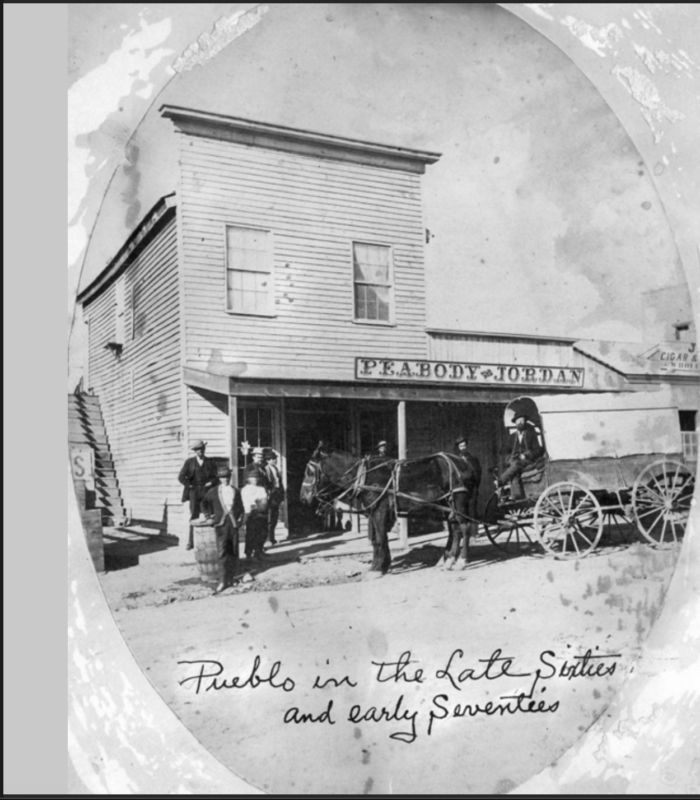
Men pose beside and on a horse-drawn covered wagon on a dirt street in Pueblo (Pueblo County), Colorado. A frame commercial building has a false-front, a side staircase, and a sign that reads: “Peabody and Jordan.” Men wear suits or sweaters and narrow-brimmed hats. 1865-1875. History Colorado 95.200.1220
Do you see it? Most likely, the buildings you’re thinking of have what are called commercial false fronts, known by their wooden street-facing wall extending past a sloped roof. The design, its near extinction, and its replacement reflects the story of colonizers building on Native homelands, and how those early illegal settlements morphed into the permanent towns where many of us live and work today. The way this style of architecture represents our history, along with its awkward yet iconic look, makes it a personal favorite of mine.
Starting with the Gold Rush, promises of striking it rich met with various degrees of success, meaning towns could be booming one month and abandoned the next. Businesses needed to attract customers without overspending. This conundrum, apparently, had a solution—invest more money and time on the street-facing side of the store, and build the rest more cheaply!
False fronts were often based on fashionable Italianate architecture popular back East, which is why many sport long, elegant molded windows, bracketed overhangs, decorative detailing, and rectangular shapes. And while customers weren’t fooled by these facades, referencing the architecture of Eastern cities gave Colorado’s mining towns a more-established feeling.
These once-temporary buildings were the scaffolding that built Colorado cities and towns, remaking the natural landscape. Most were destroyed and rebuilt, others lost to fire or time. Only a few still exist, such as St. Elmo’s General Store and the McMurdy-Snetzer Building in Georgetown, which continue to preserve a consequential chapter of our shared history.
Shared by the El Pueblo Museum on their Facebook page, June 2, 2026
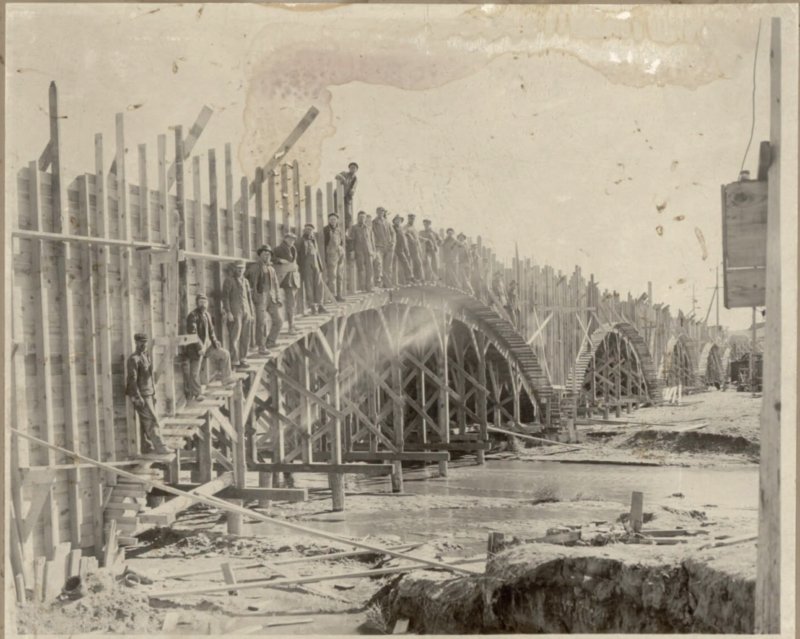
Men pose on wooden arches, concrete forms for a bridge under construction over the Arkansas River, in Pueblo. Taken in 1890-1910 by Steele, F. M.
Denver Public Library Special Collections, Z-6071
Shared on the El Pueblo History Museum Facebook page, September 10, 2026
Churches, Bars, and CF&I
Shared on Keith Guerrero’s Facebook Page, October 4, 2026
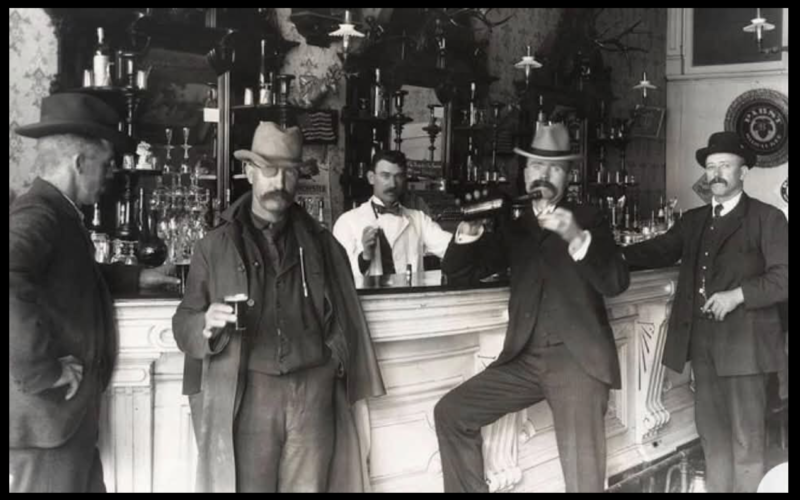
It is generally true that Pueblo, Colorado—especially the industrial neighborhoods surrounding the Colorado Fuel and Iron Company (CF&I) like Bessemer and Eilers—boasted a famously dense, nearly equal concentration of bars and churches during its early 20th-century boom.
Historical accounts and local consensus describe Pueblo’s working-class neighborhoods as having a “saloon on one corner and a church on the next”. This balance directly reflected the complex makeup of the immigrant steel mill workforce.
The Steel City Dualism: Why the Myth is Real
During the early 1900s, CF&I’s Minnequa Steelworks drew thousands of immigrants from dozens of cultures, including Slovenian, Italian, Irish, and Greek families. This unique demographic drove two simultaneous expansions:
• The Churches: Immigrant communities quickly established places of worship to serve as spiritual and cultural anchors. Neighborhoods like Bessemer and Eilers saw churches of different denominations pop up block by block (such as St. Mary Help of Christians for Slovenian Americans).
• The Bars: Saloons and taverns functioned as critical social hubs, fraternal lodges, and informal town halls where workers could unwind, cash their checks, and speak their native languages.
This parallel growth created a legendary per-capita saturation. Longtime residents and community discussions frequently recall that Pueblo at one time had more bars—and, conversely, more churches—per capita than almost any other city in the state.
CF&I’s Fight Against the Saloon Culture
The proliferation of bars around the mill actually deeply troubled CF&I management. Around the 1900s, CF&I’s Sociological Department, led by Dr. Richard Corwin, actively tried to combat the local saloon culture.
To pull workers away from alcohol, the company partnered with the YMCA to build massive clubhouses, set up libraries, and construct middle-class recreational spaces. Despite the company’s aggressive efforts to civilize the workforce and curb drinking, the neighborhood bars remained incredibly resilient until Colorado enacted early Prohibition in 1916. Even then, many taverns simply transitioned into speakeasies or operated under the guise of corner groceries until national Prohibition ended.
Shared on Keith Guerrero’s Facebook Page, October 4, 2026
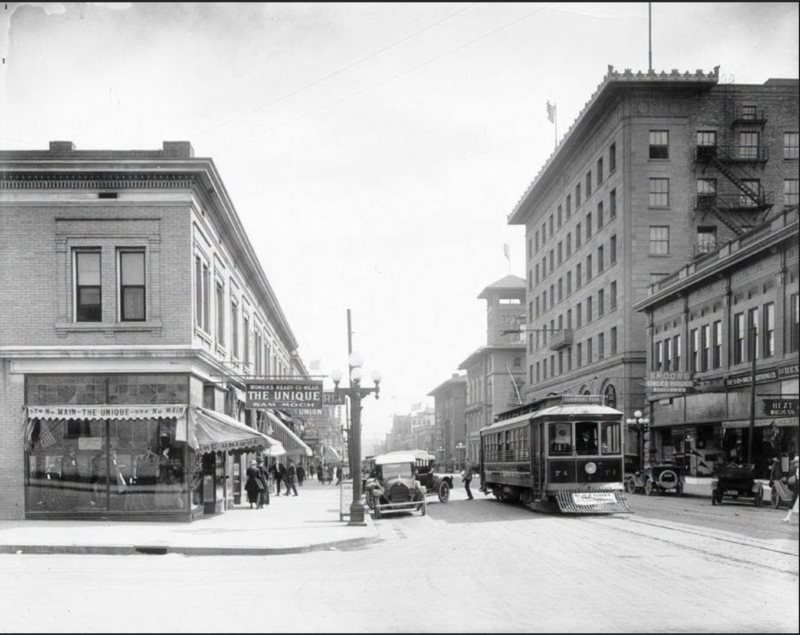
Main Street, Pueblo, in the early 1900’s
Main Street Pueblo in the early 1900s.
Pueblo officially became a city in 1873, when the census showed its population had topped 3,000. While Pueblo never rivaled Denver in size, it did compete with the capital in economic importance because of its proximity to the coal fields south of town.
Photo: View of a busy Main Street in Pueblo (Pueblo County), Colorado. Shows pedestrians, parked cars and trolley car, ca.1915-1925.
History Colorado 91.237.399
Shared on the El Pueblo History Museum’s Facebook Page, October 16, 2026
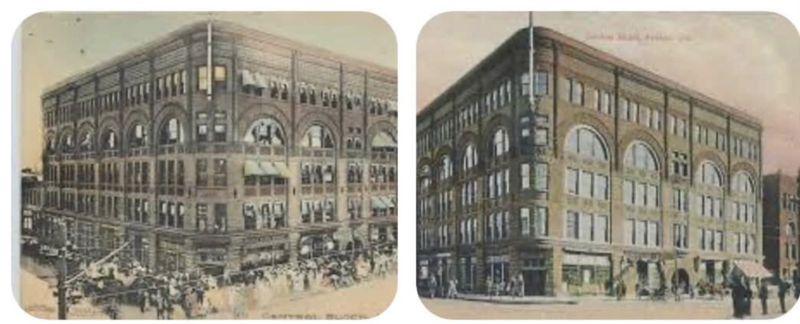
Central Block Building
This historic photograph showcases the Central Block building located at 2nd Street and Main Street in Pueblo, Colorado.
Constructed in 1890 during a local economic building boom, this prominent Free Romanesque-style brick structure features characteristic large arched window bays along its lower facades. The scene captures an early 20th-century automotive gathering—likely a parade or promotional lineup—staged right on Main Street, featuring a line of early touring cars parked in front of the building’s street-level drug store and storefronts.
The image depicts the historic Central Block building, once a monumental landmark in downtown Pueblo, Colorado, located at the corner of 1st and Main streets.
History of the Building
• Construction & Design: Erected in 1890, the Central Block was designed in the impressive Romanesque Revival style by prominent Denver architect Robert S. Roeschlaub. Financed by English capitalist Thurlow Hutton, it featured heavy red sandstone-block walls, striking arched windows, and a magnificent ground-floor-to-roof center court rotunda capped by a glass skylight. At its peak, the five-story structure housed roughly 160 offices, including labor unions, medical professionals, government agencies, Grove Drug Co., and the Western Union telegraph office.
• The Fatal Flaw & Destruction: While beautiful, its central open-air rotunda acted exactly like a giant flue or chimney. On August 29, 1953, a catastrophic fire broke out in the neighboring Standard Paint and Glass Co. building. The intense flames swept into the Central Block and roared straight up the center atrium. Within 25 minutes, the roof and interior collapsed. The disaster completely leveled both the Central Block and the adjacent McCarthy Building, causing one fatality (local attorney Orion G. Pope) and registering as the worst fire disaster in Pueblo’s history.
Population
• Current Population: As of 2026, the estimated population of the city of Pueblo sits at 110,269 residents.
• Demographic Context: The population has shown a subtle downward trend over the last few years, declining at an annual rate of about -0.12% from the 2020 census milestone of 111,876. Pueblo remains the 9th or 10th largest city in Colorado and serves as the primary hub of Pueblo County, which holds a broader population of roughly 168,392.
Current Events & Modern Identity
• Industrial & Renewable Shift: Historically recognized as “Steel City” due to the landmark CF&I steel mill (now operated by Evraz Rocky Mountain Steel), modern-day Pueblo is actively transitioning its economic profile into a major hub for renewable energy, housing large-scale solar projects and wind tower manufacturing.
• Cultural Landmarks: Today, the downtown footprint has evolved significantly since the 1953 fire. Pueblo is highly regarded for its cultural staples, including the Historic Arkansas Riverwalk, hosting the annual Colorado State Fair, and celebrating its regional heritage through the popular Chile & Frijoles Festival.
Shared on Keith Guerrero’s Facebook Page on October 18, 2026
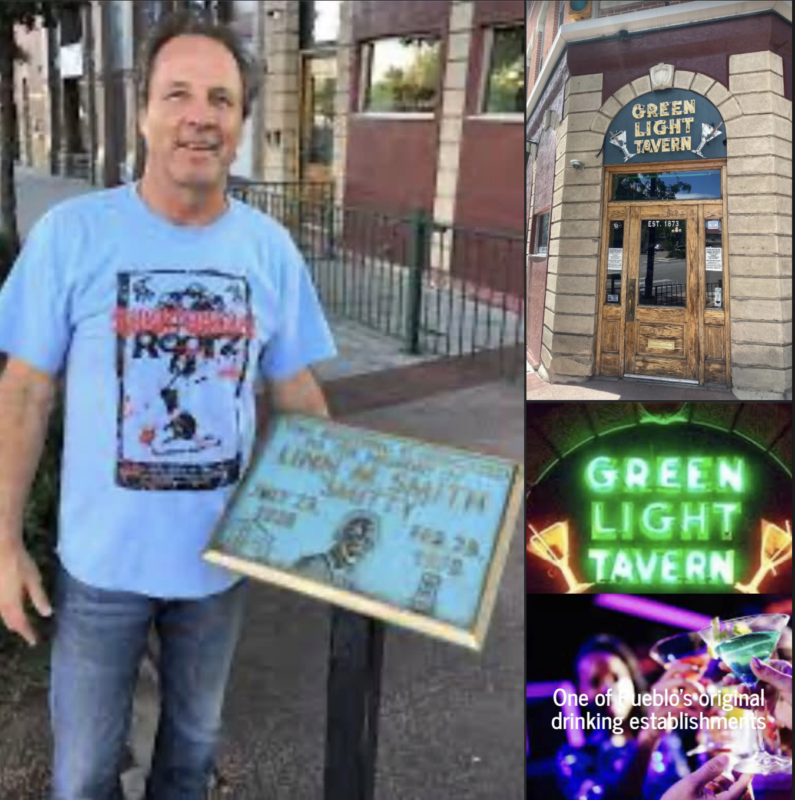
The Building and Family History: Smitty’s Greenlight Tavern
Smitty’s Greenlight Tavern in Pueblo, Colorado, is deeply tied to the Smith family, with a history that spans several generations and a building that pre-dates the bar itself
Before it became one of Pueblo’s original drinking establishments in 1933, the historic downtown building served as the Pueblo Telephone Exchange.
The tavern became a family legacy when Linn “Smitty” Smith and his wife, Edith E. Smith, took it over. Linn bought the bar in 1956, and Edith balanced helping run the tavern with raising their four children and working a long career as a dedicated local nurse.
Greg “Smitty” Smith’s Athletic Background
The family legacy continued with their son, Greg “Smitty” Smith, who took over as the sole owner of the tavern in 1985.
True to local memory, Greg was a standout star athlete at Pueblo South High School, where he served as the captain of the Colts football team. Over the decades, Greg has maintained the building’s historical integrity while expanding its local presence by adding a live music stage and fully modernizing the interior, keeping it a cornerstone neighborhood favorite
I would love to help you dive deeper into either! Here is a breakdown of what makes both of those options a true Pueblo experience:
The Famous Ice-Cold Schooners
If you want to know about the drink that put Smitty’s on the map, it’s all about their massive, heavy glass schooners.
• The Ritual: The bartenders keep the heavy chalices in a deep freeze until they are completely frosted over.
• The Experience: When filled with ice-cold draft beer, a thick layer of ice forms directly on the glass, keeping your pour freezing cold down to the very last sip. It’s an absolute local tradition, especially on hot summer days or during a big game.
Upcoming Live Music & Events
If you’re planning a night out, Smitty’s Greenlight Tavern operates as one of downtown Pueblo’s most reliable hubs for local, live performances.
• The Vibe: They host a regular rotation of regional rock, blues, and country bands taking over the indoor stage, turning the historic tavern into a lively, high-energy dance floor on weekends.
• The Crowd: It pairs perfectly with their fast, friendly service, free pool tables, and an incredibly diverse, welcoming crowd.
Shared on Keith Guerrero’s Facebook Page on October 18, 2026